![[Translate to English:] xxx](/fileadmin/_processed_/4/9/csm_34_FWF_ASA26_cFWFKlausRanger_f25ba84e65.jpg)


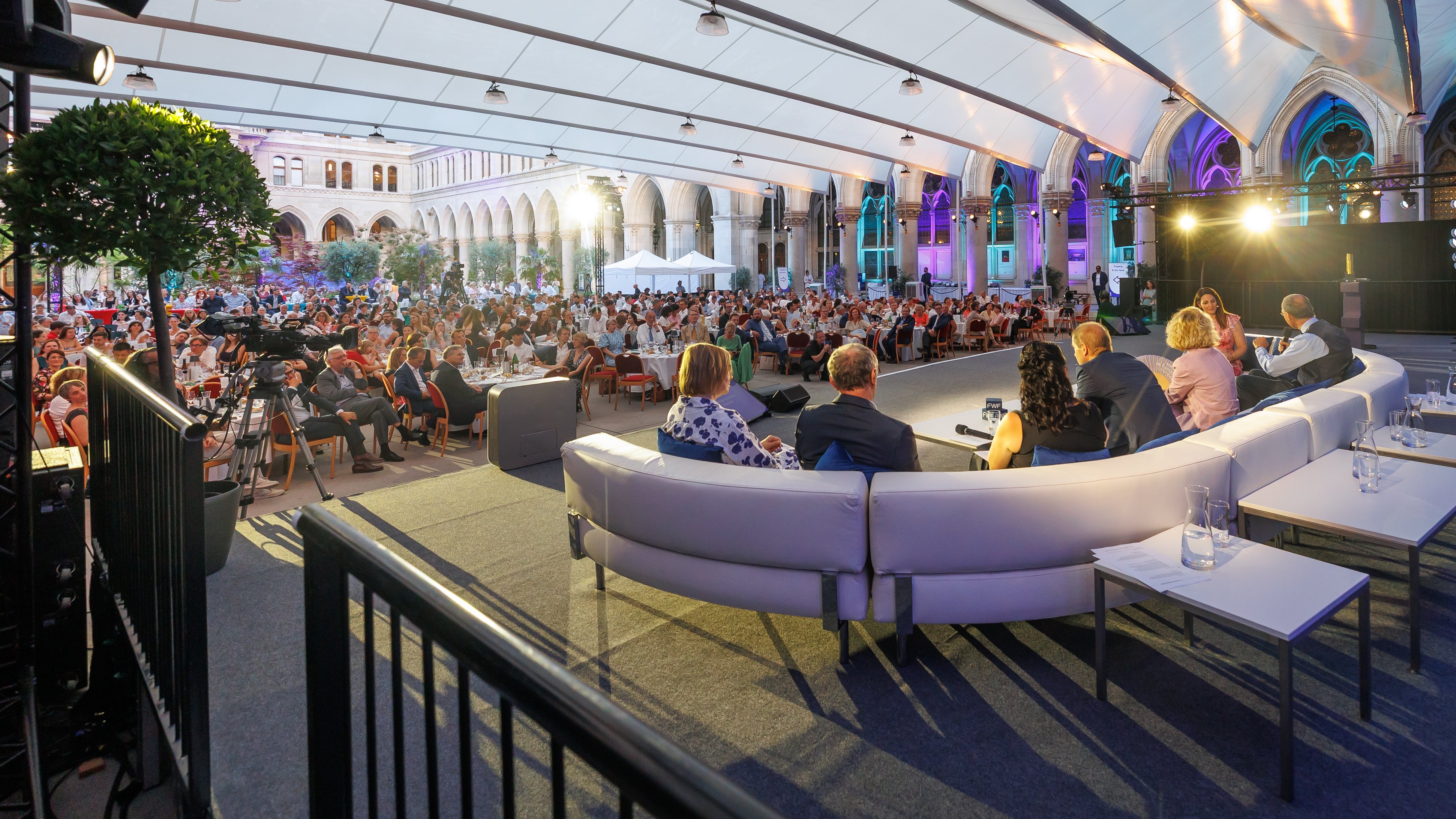
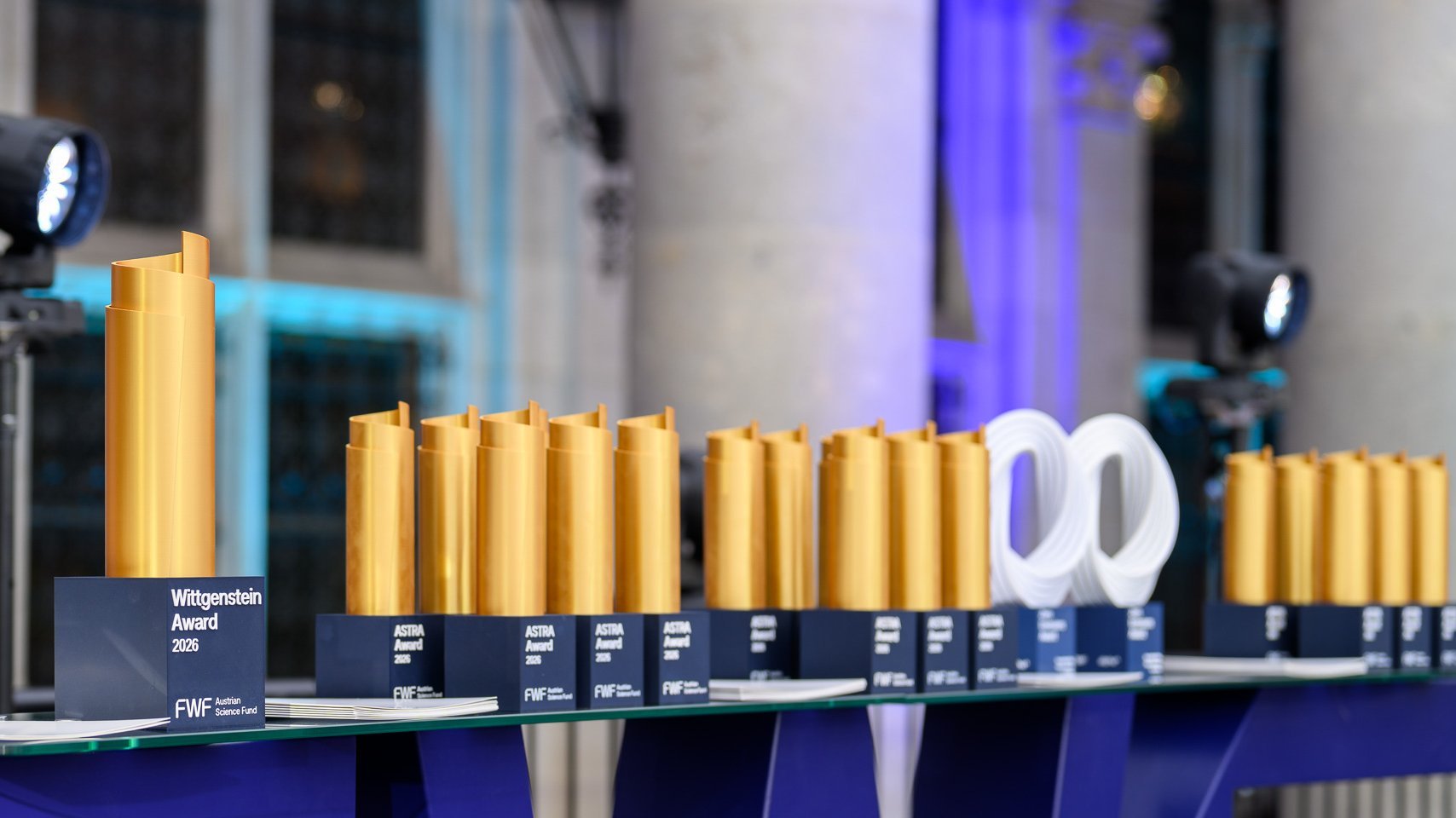
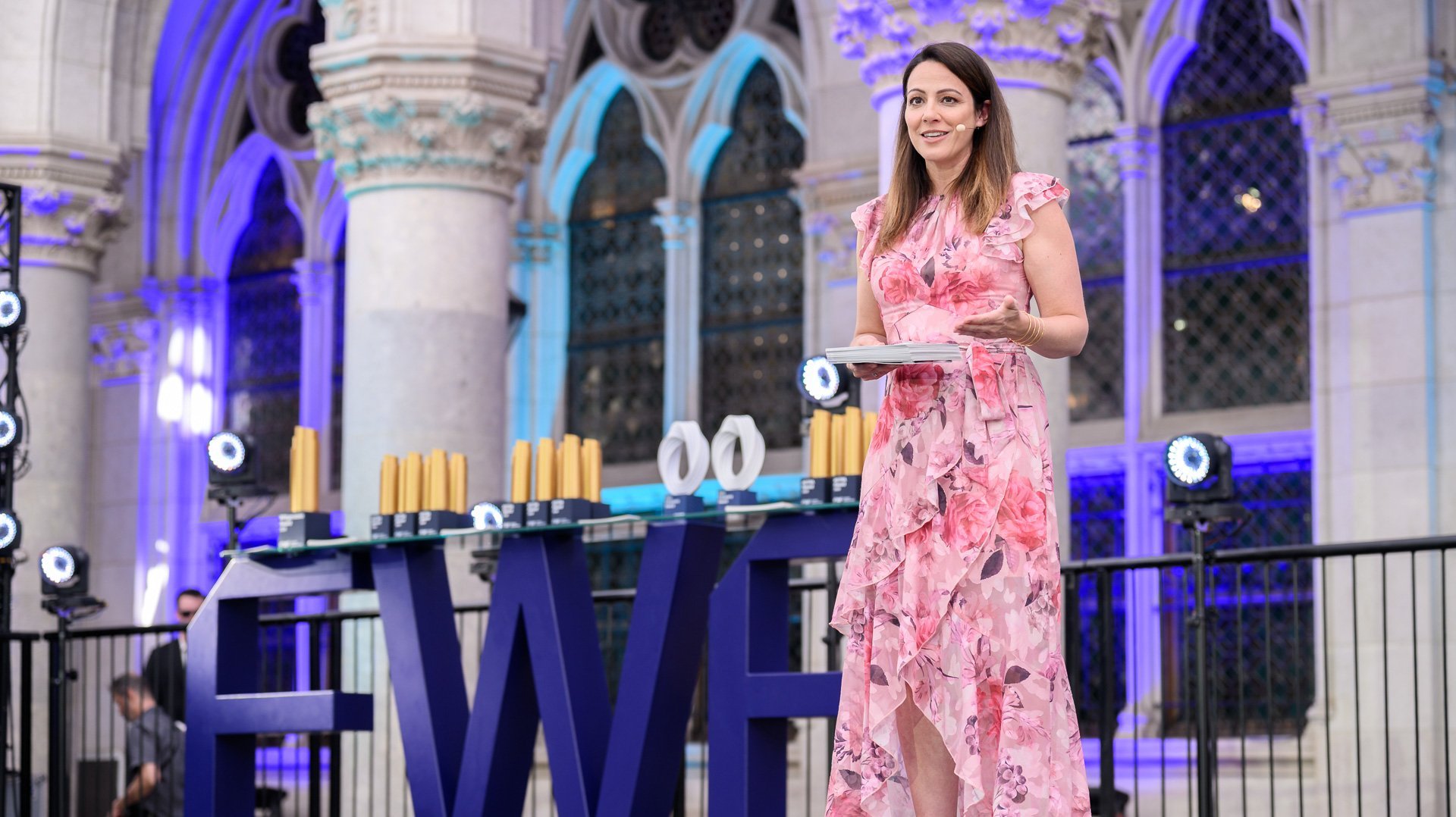
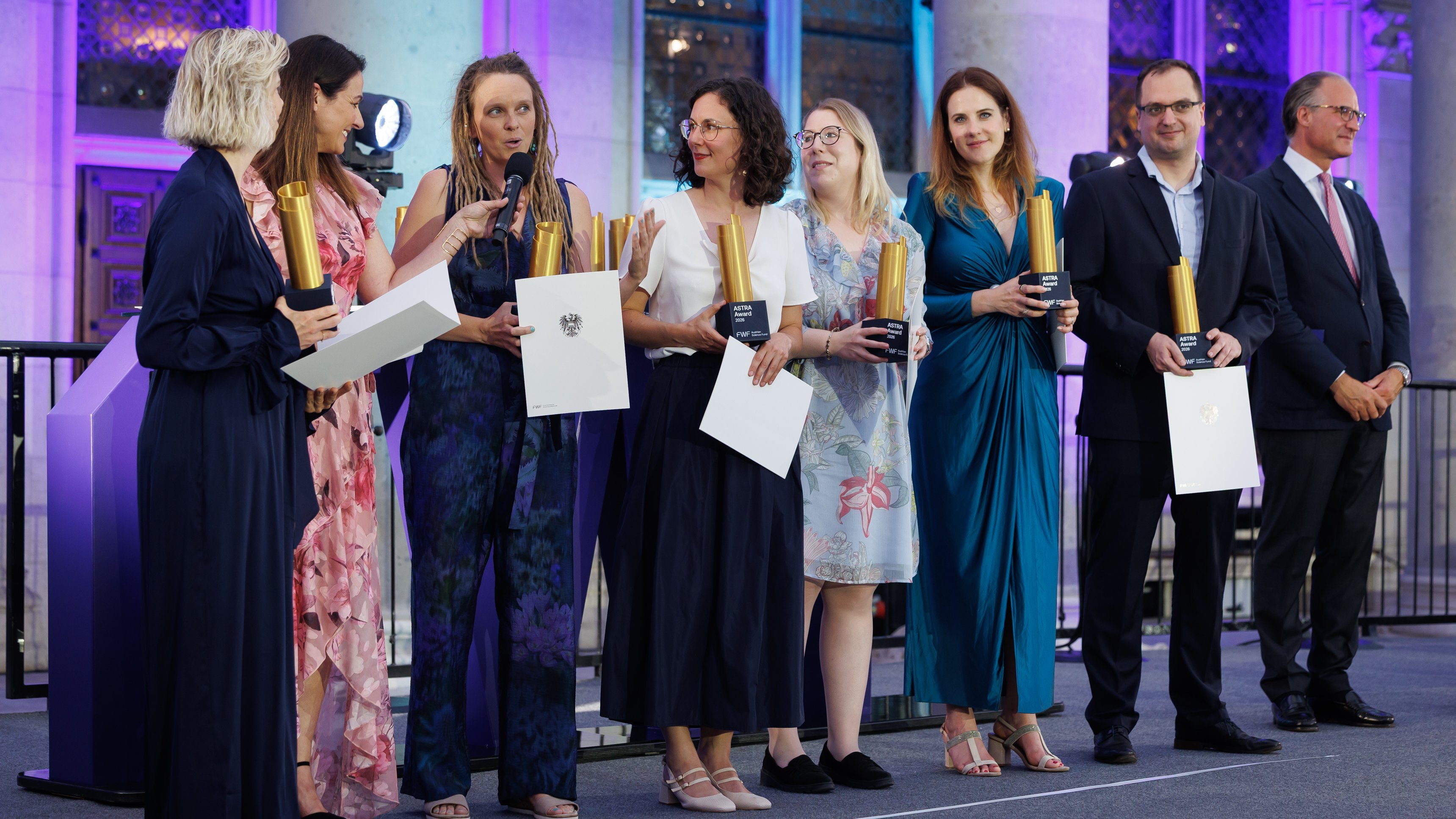
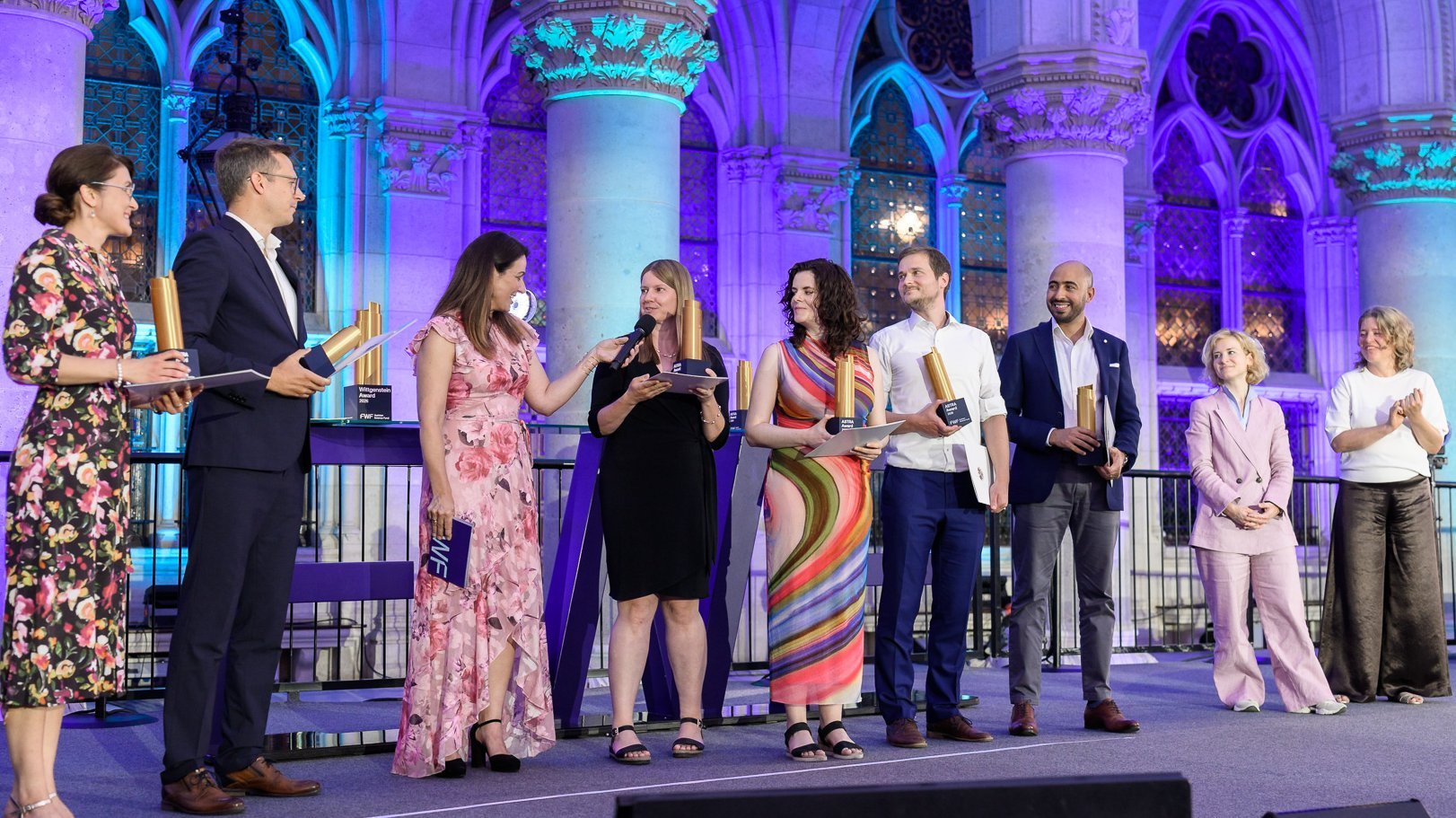
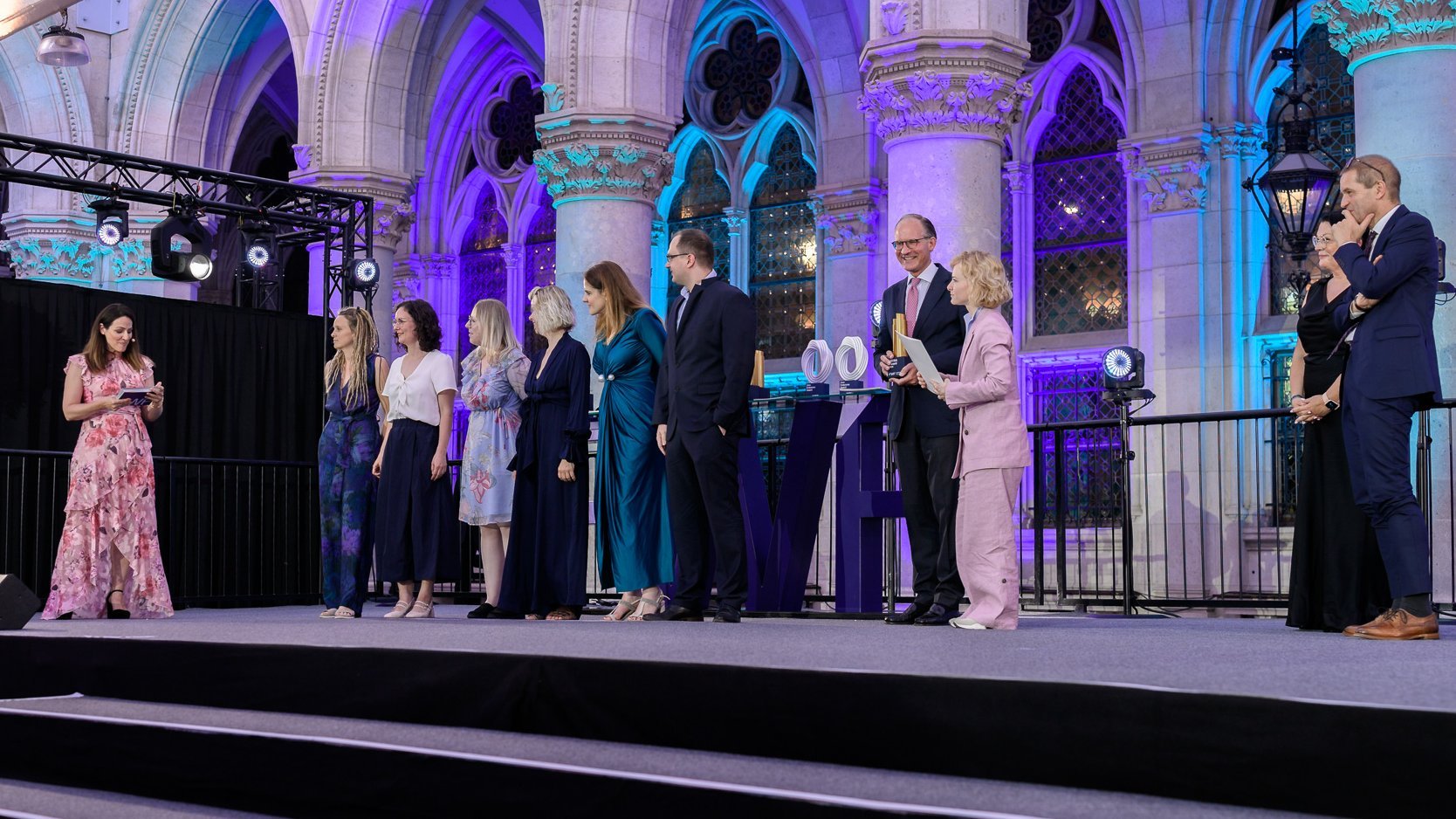
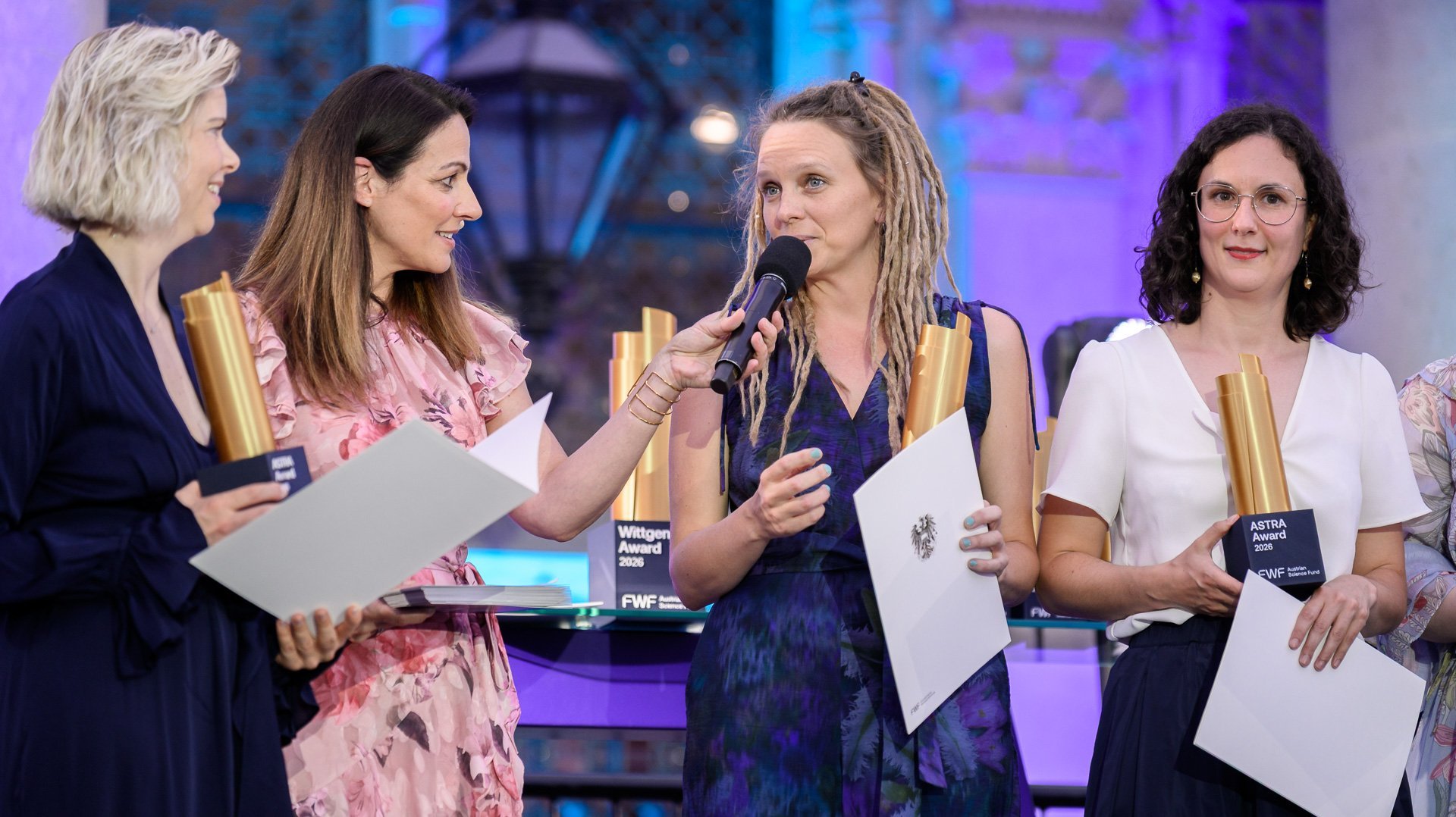
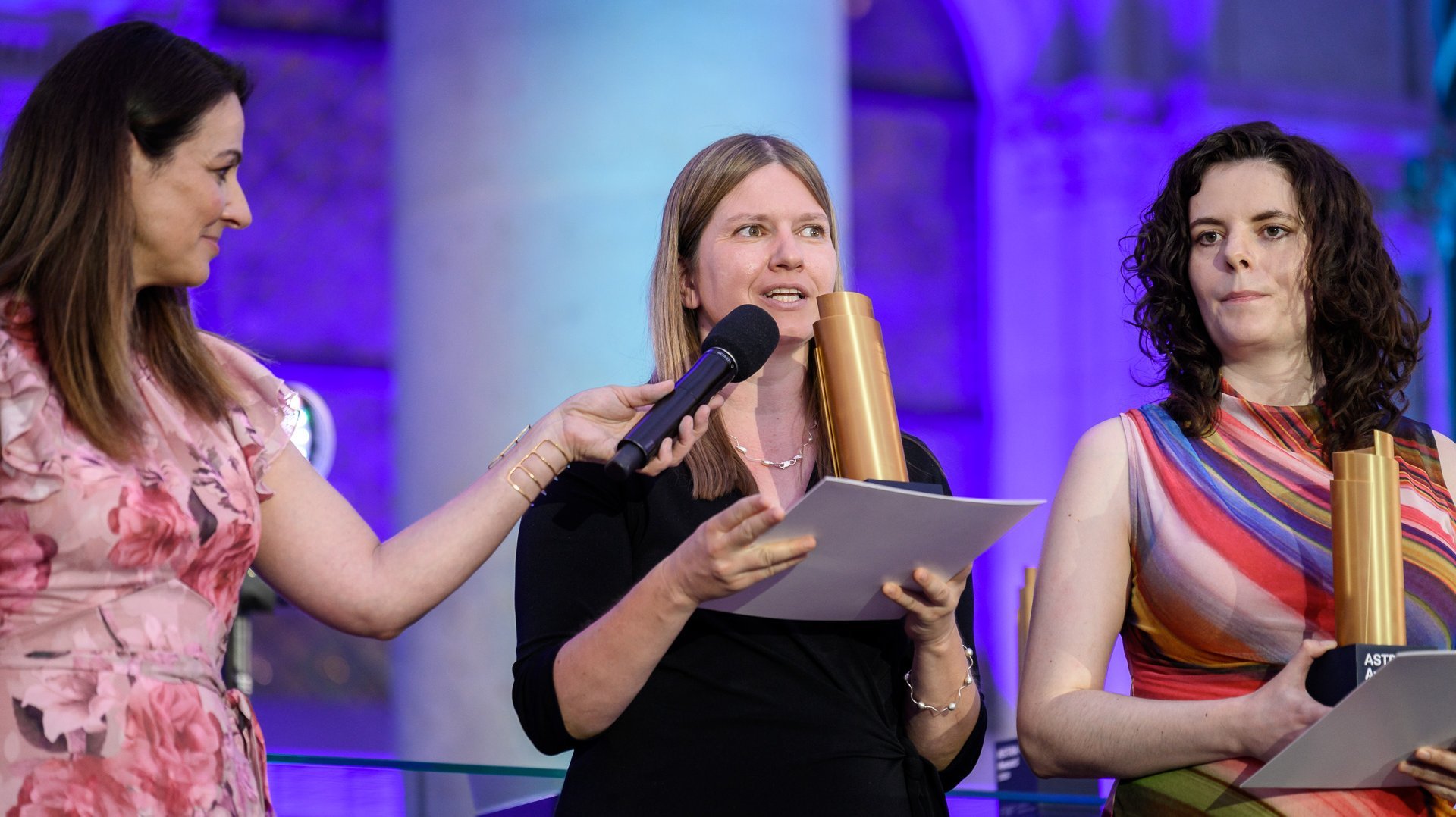
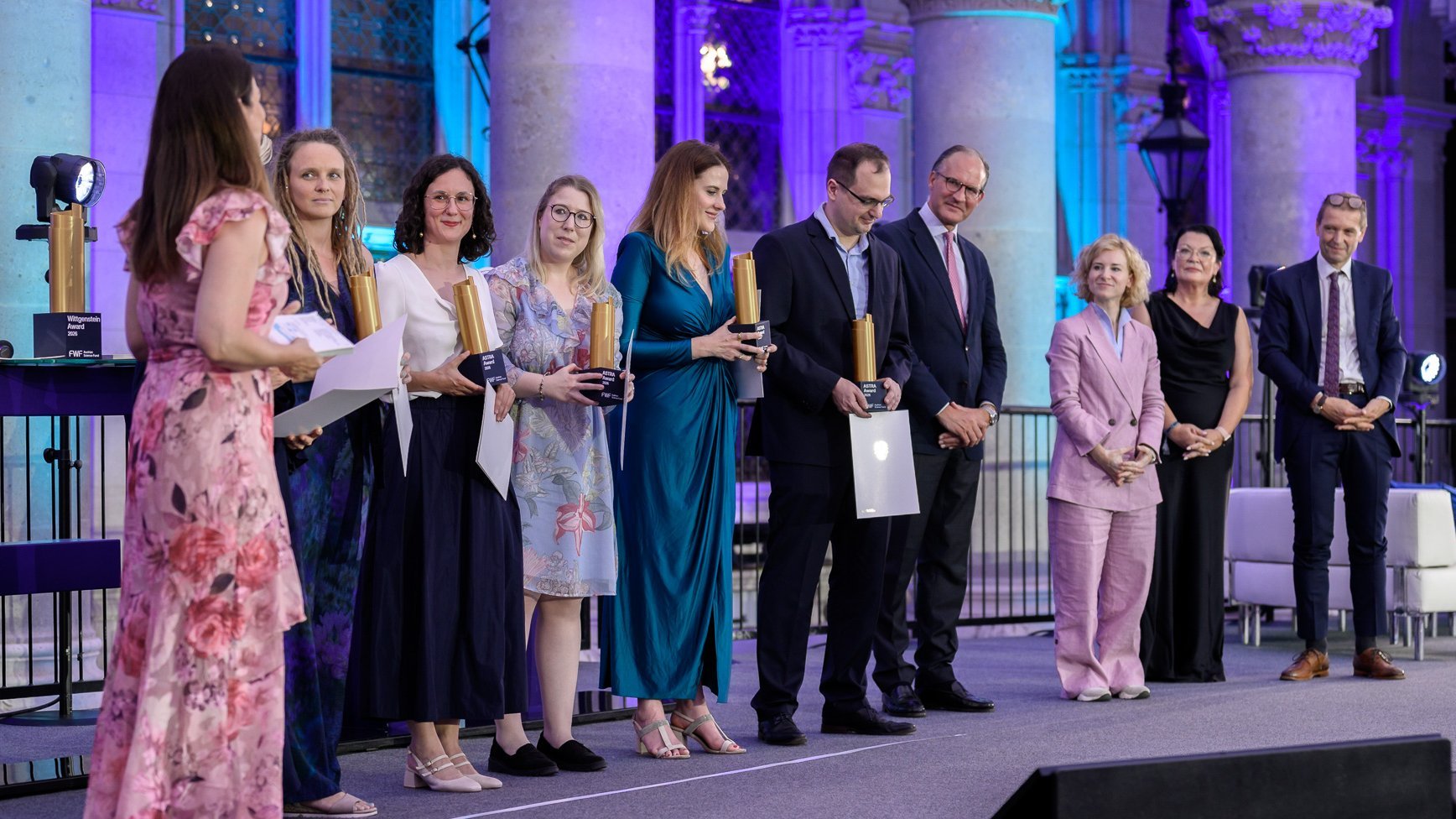
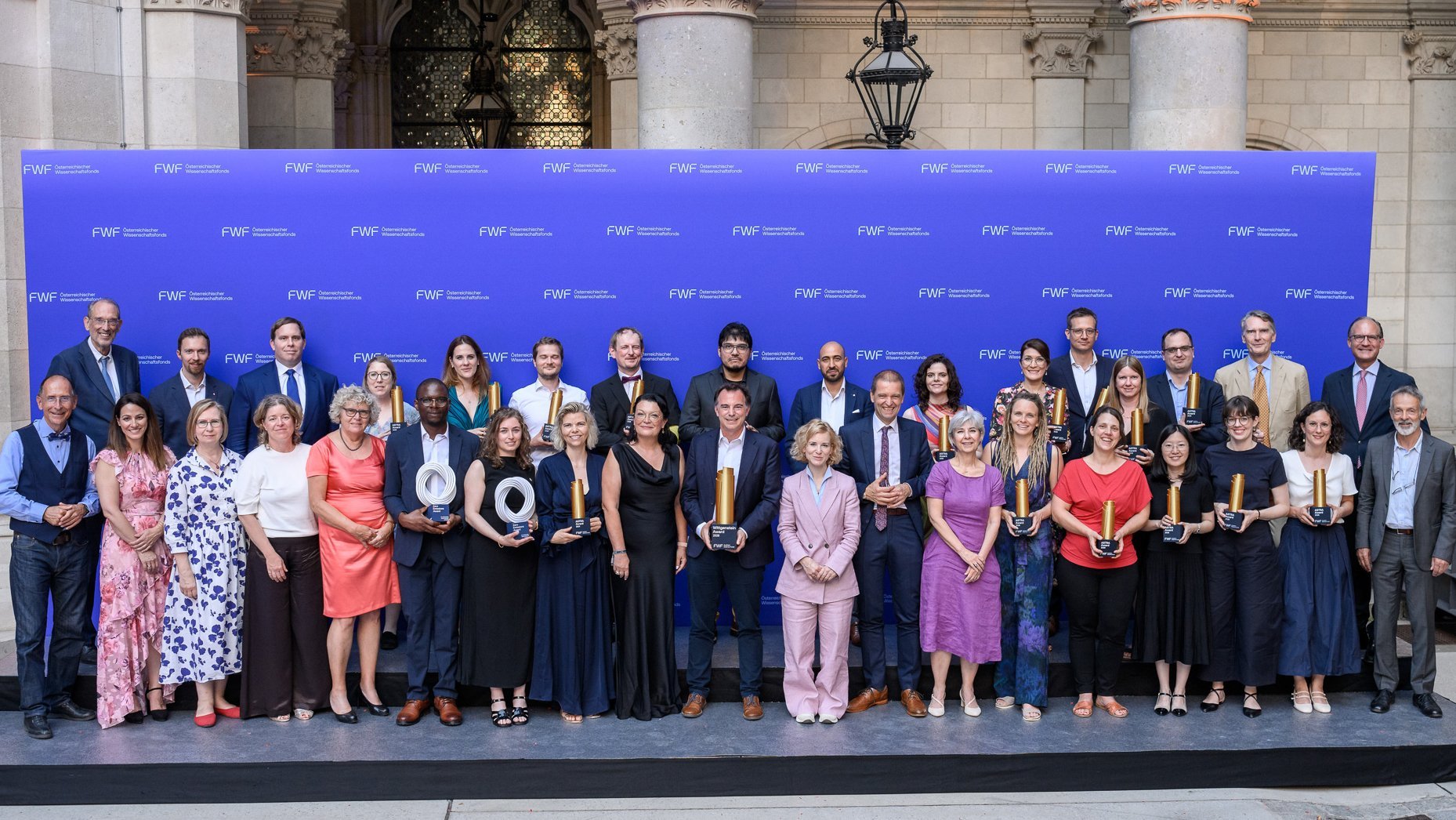
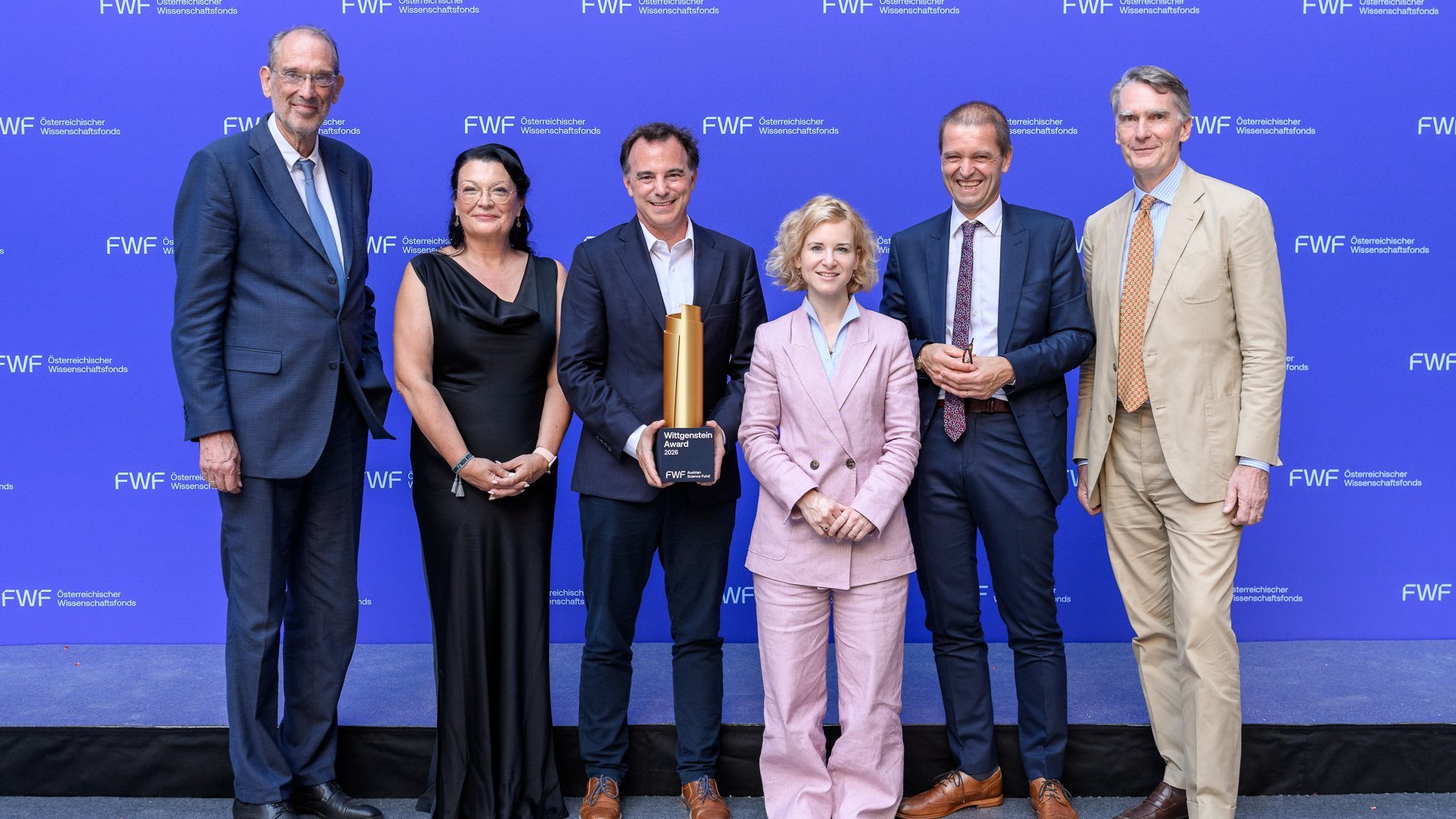
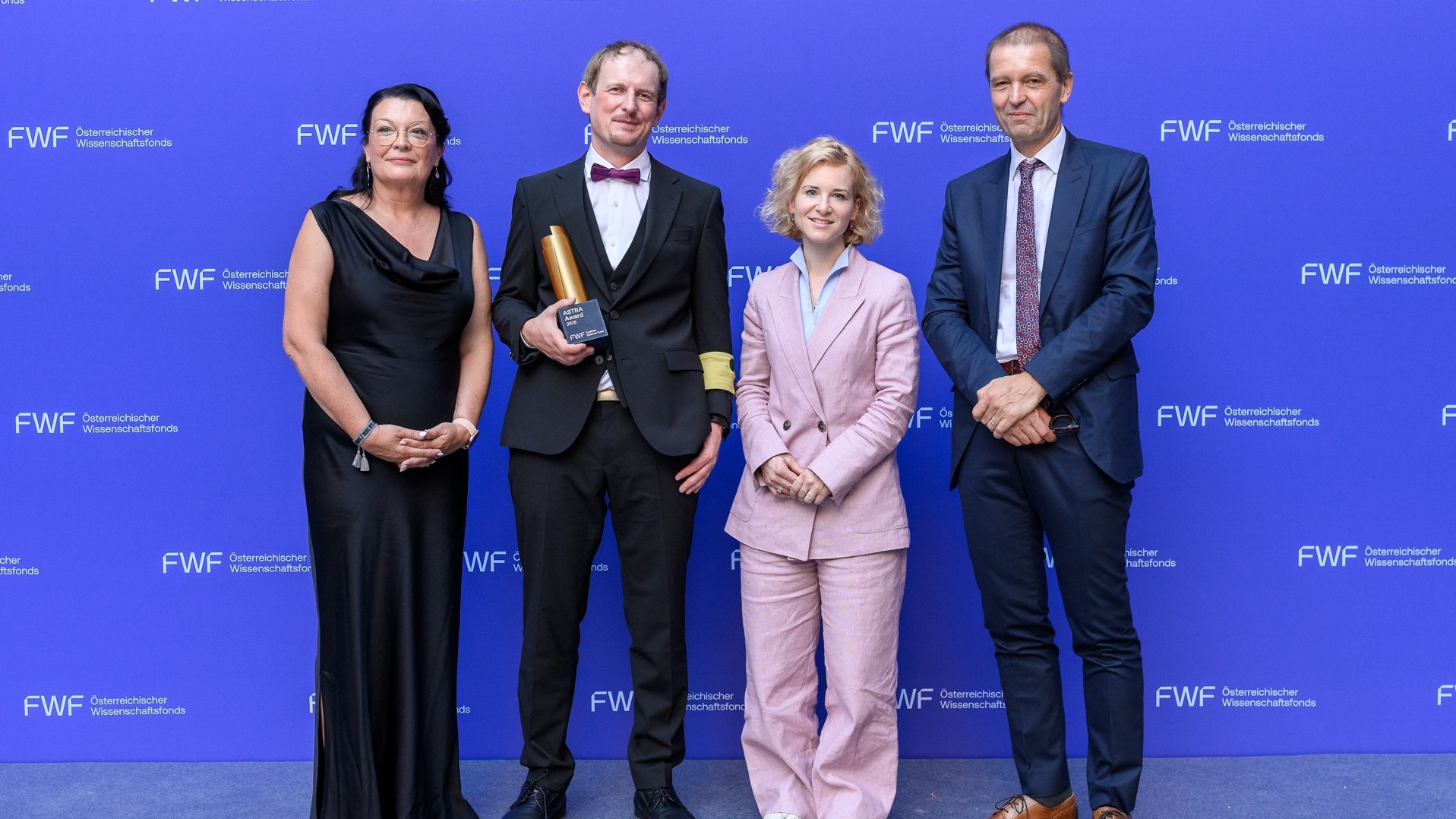
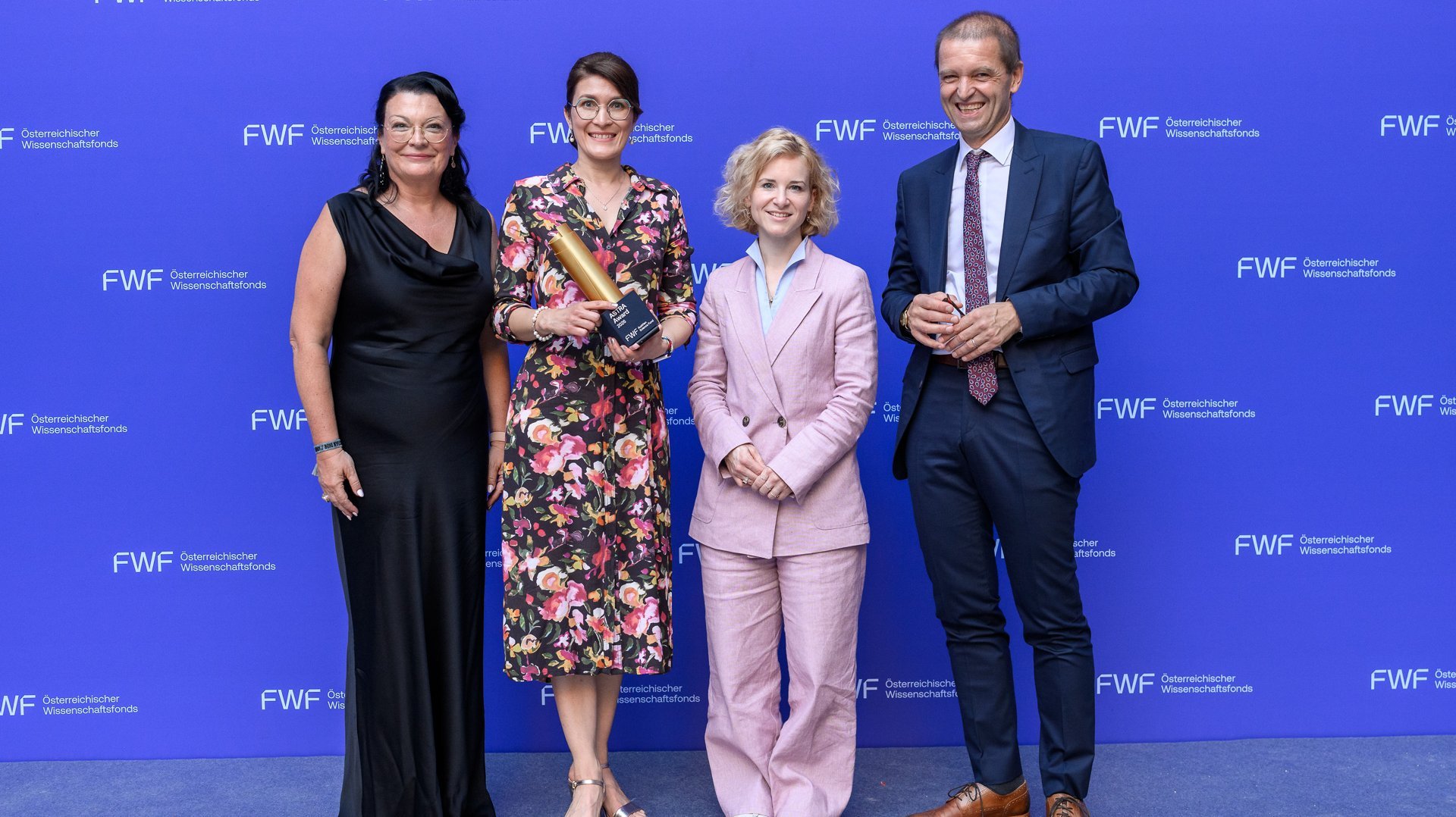
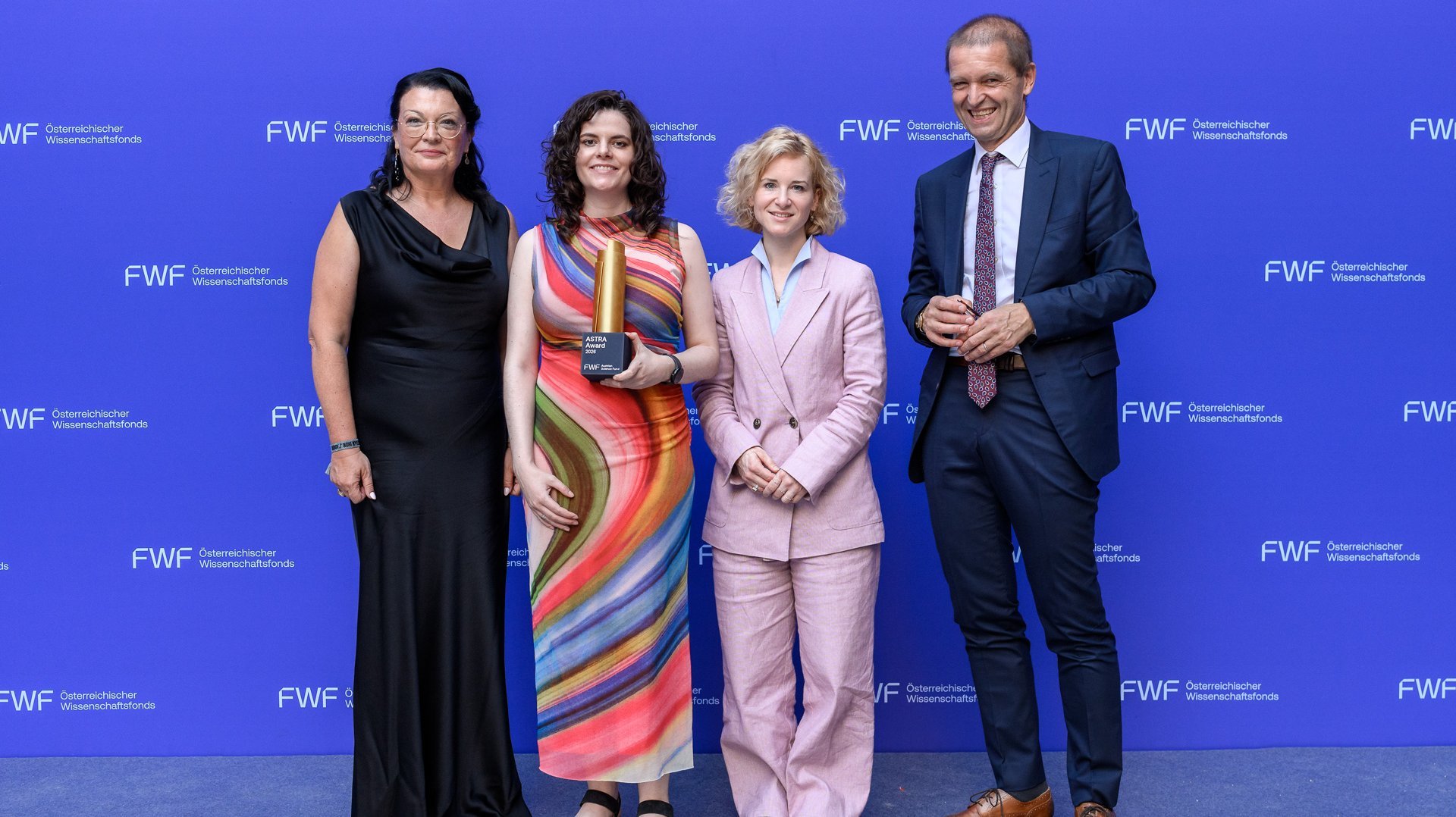
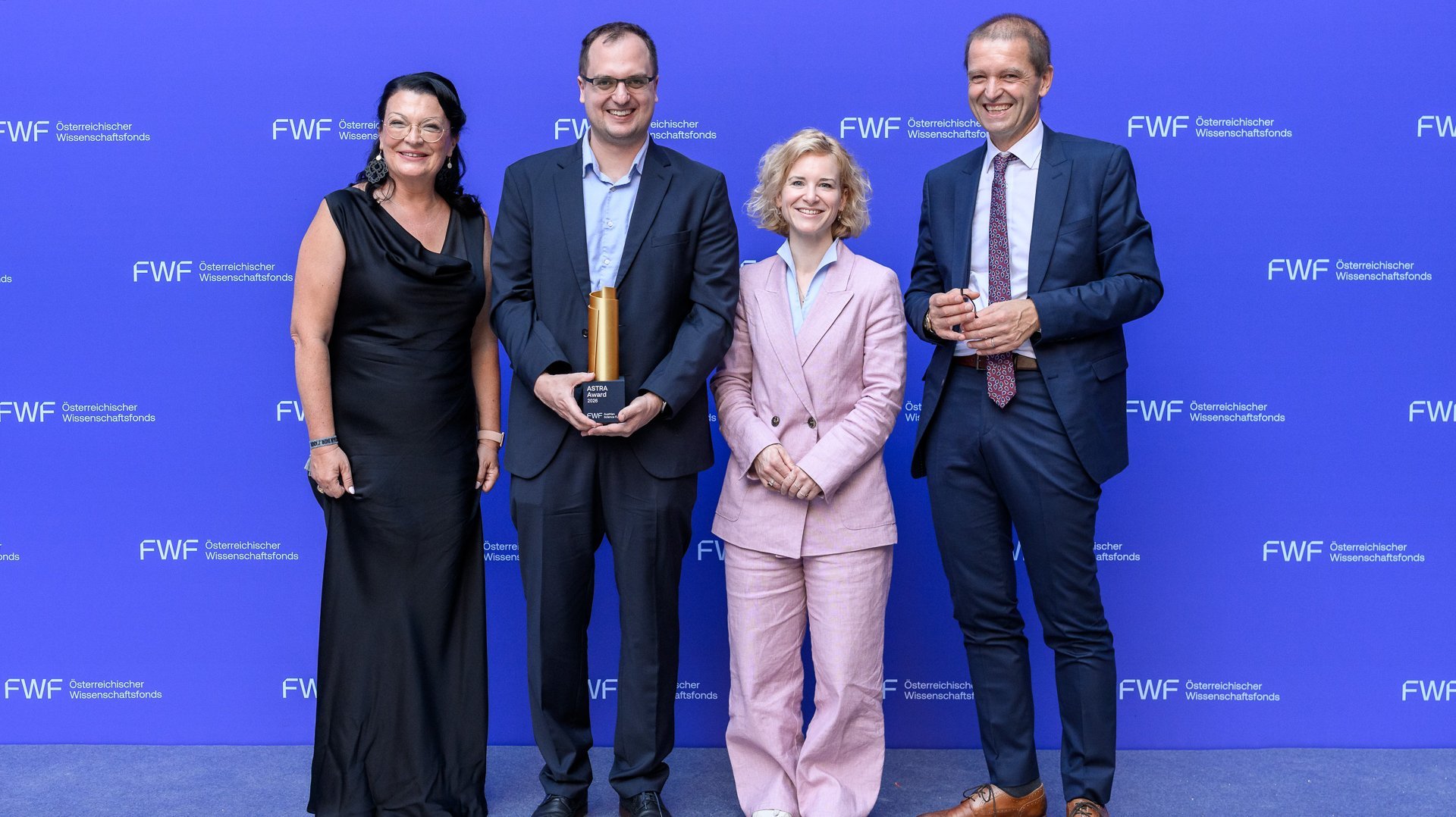
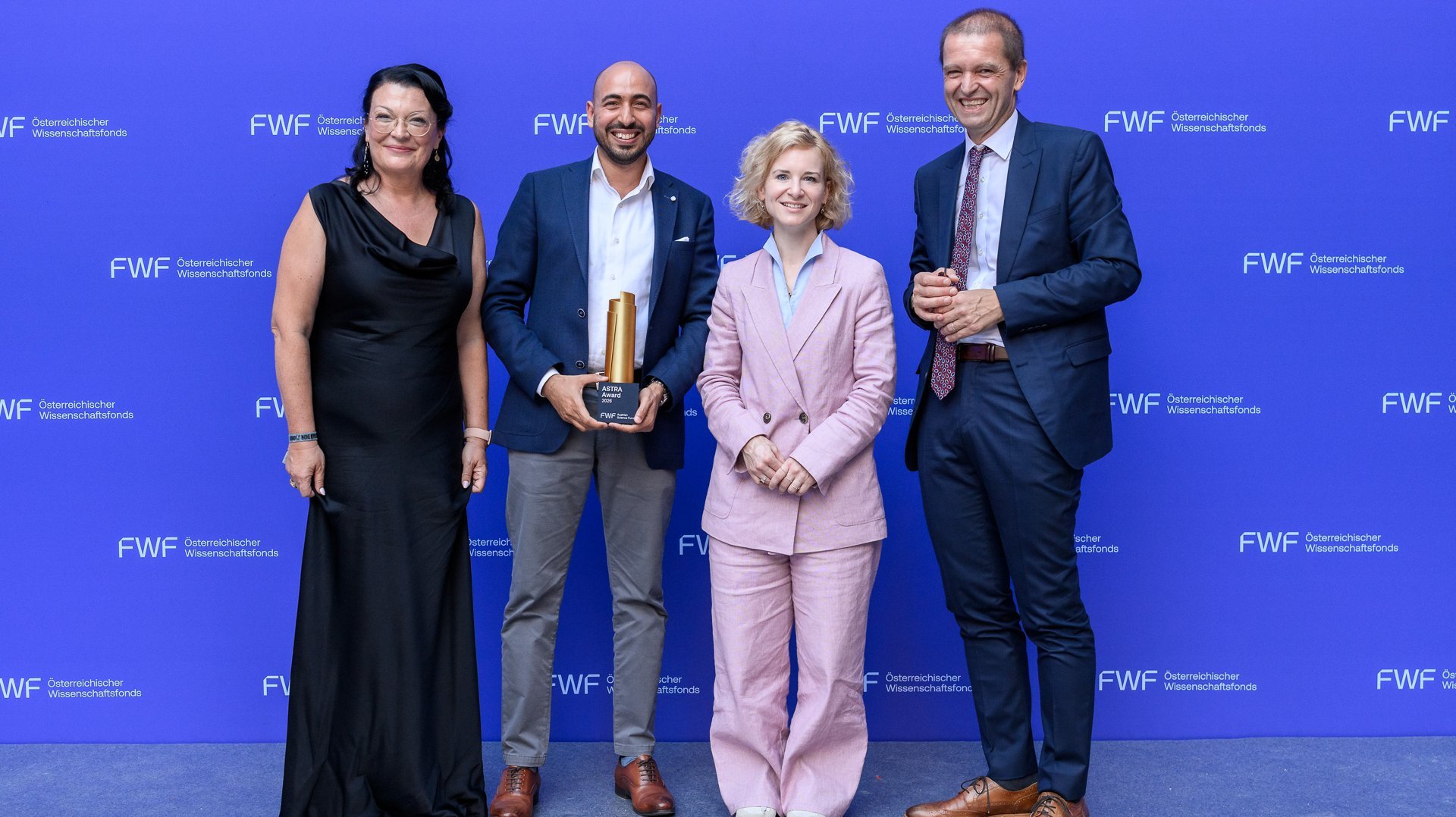
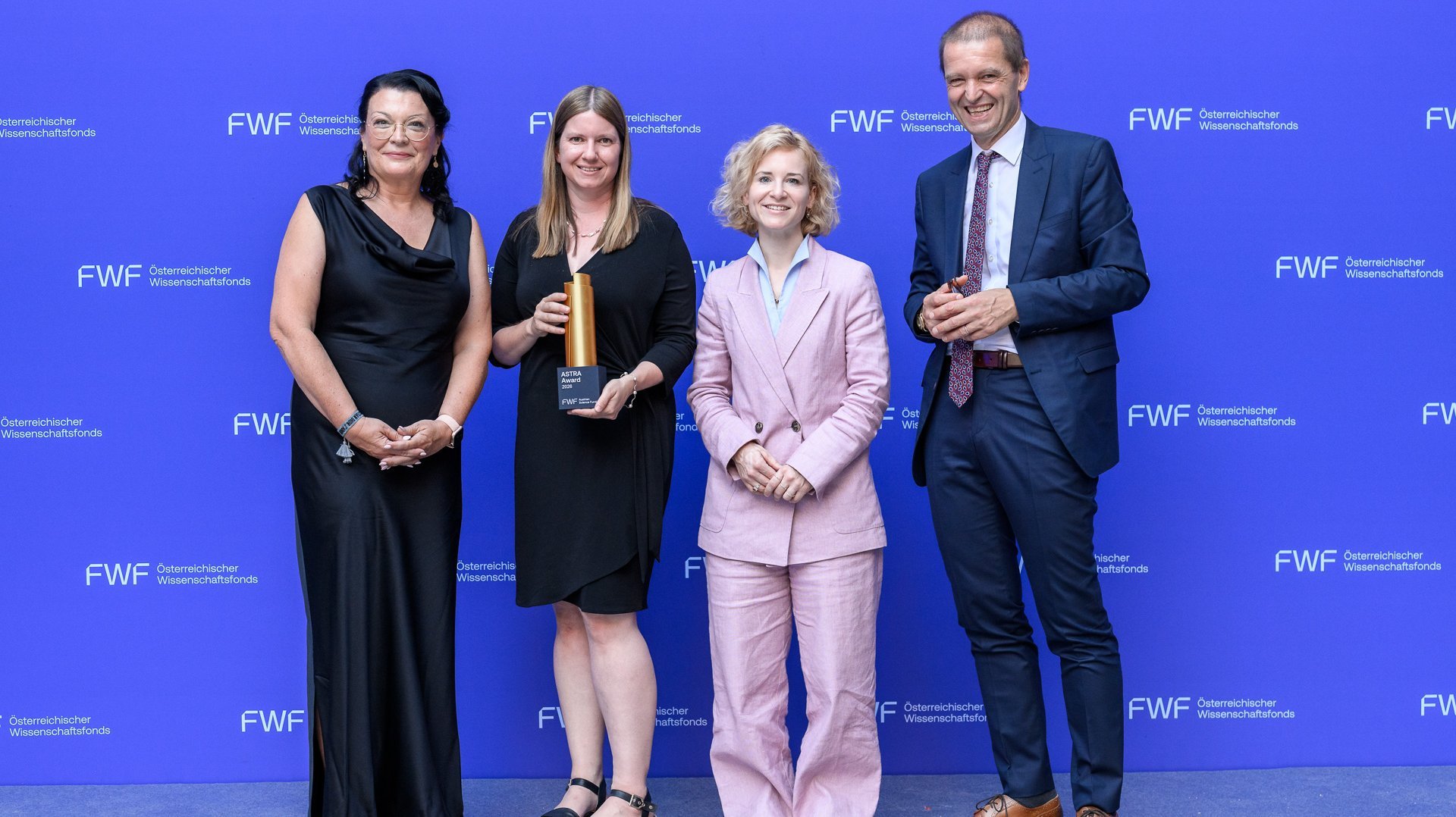
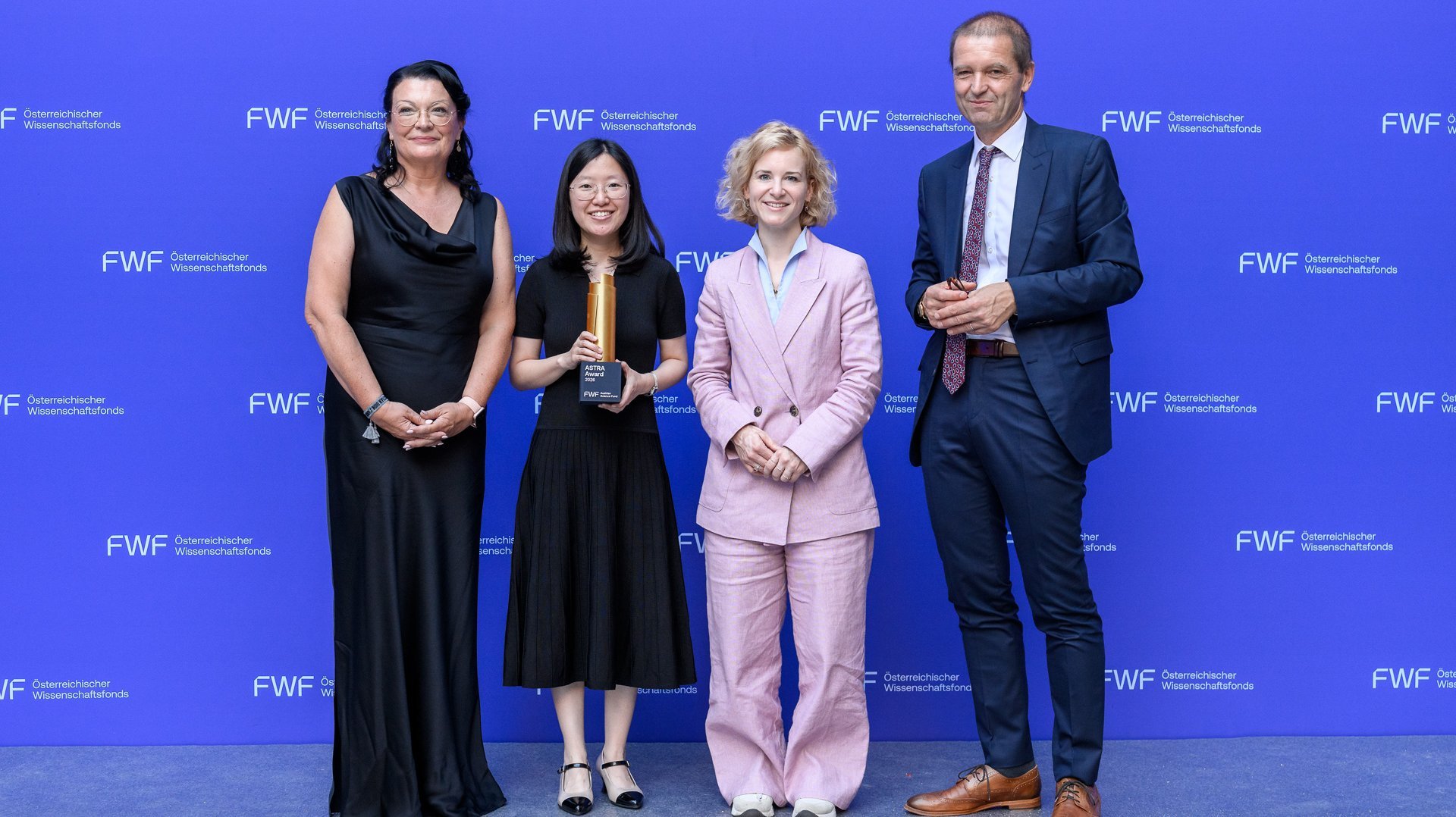
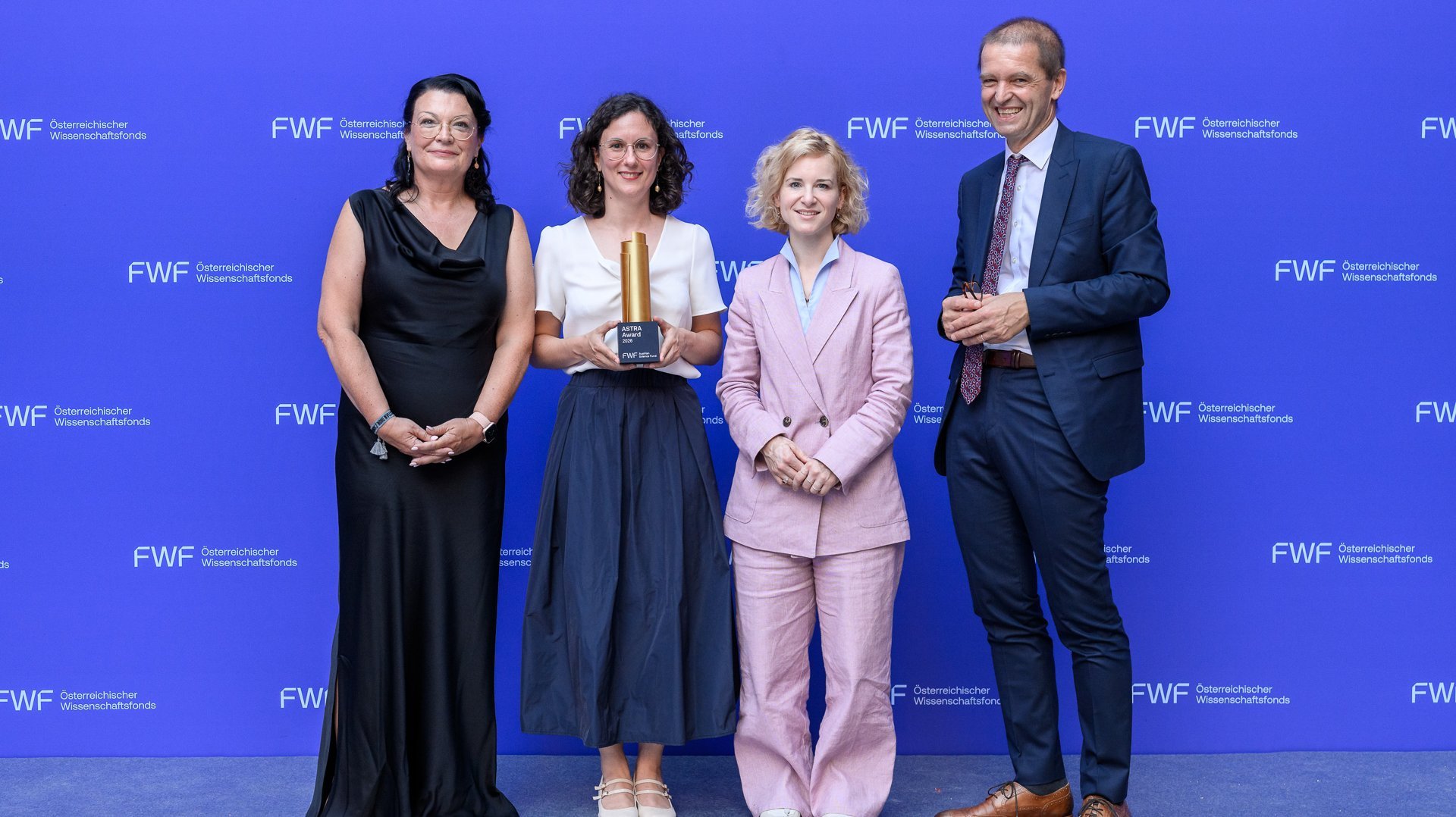
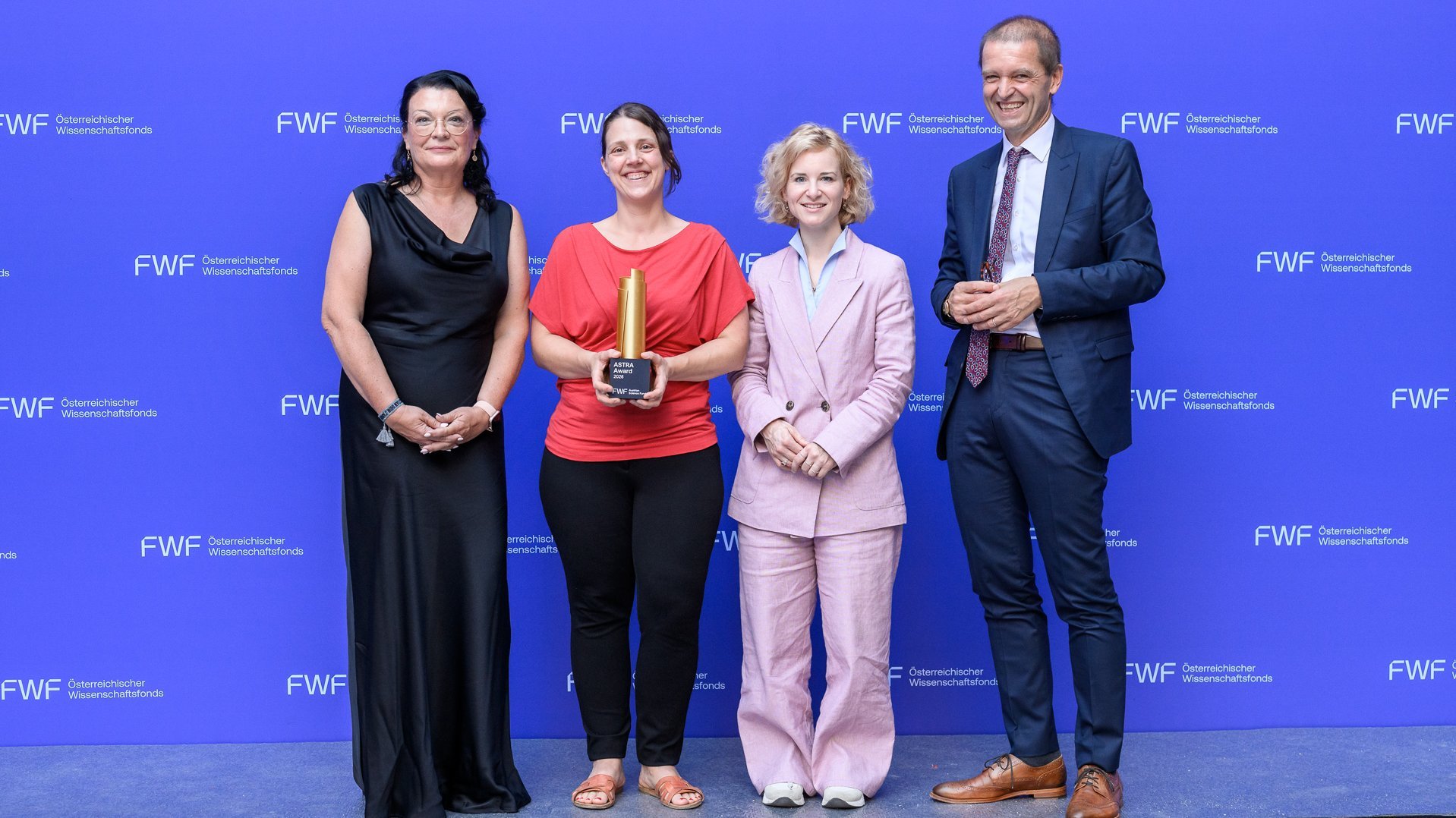
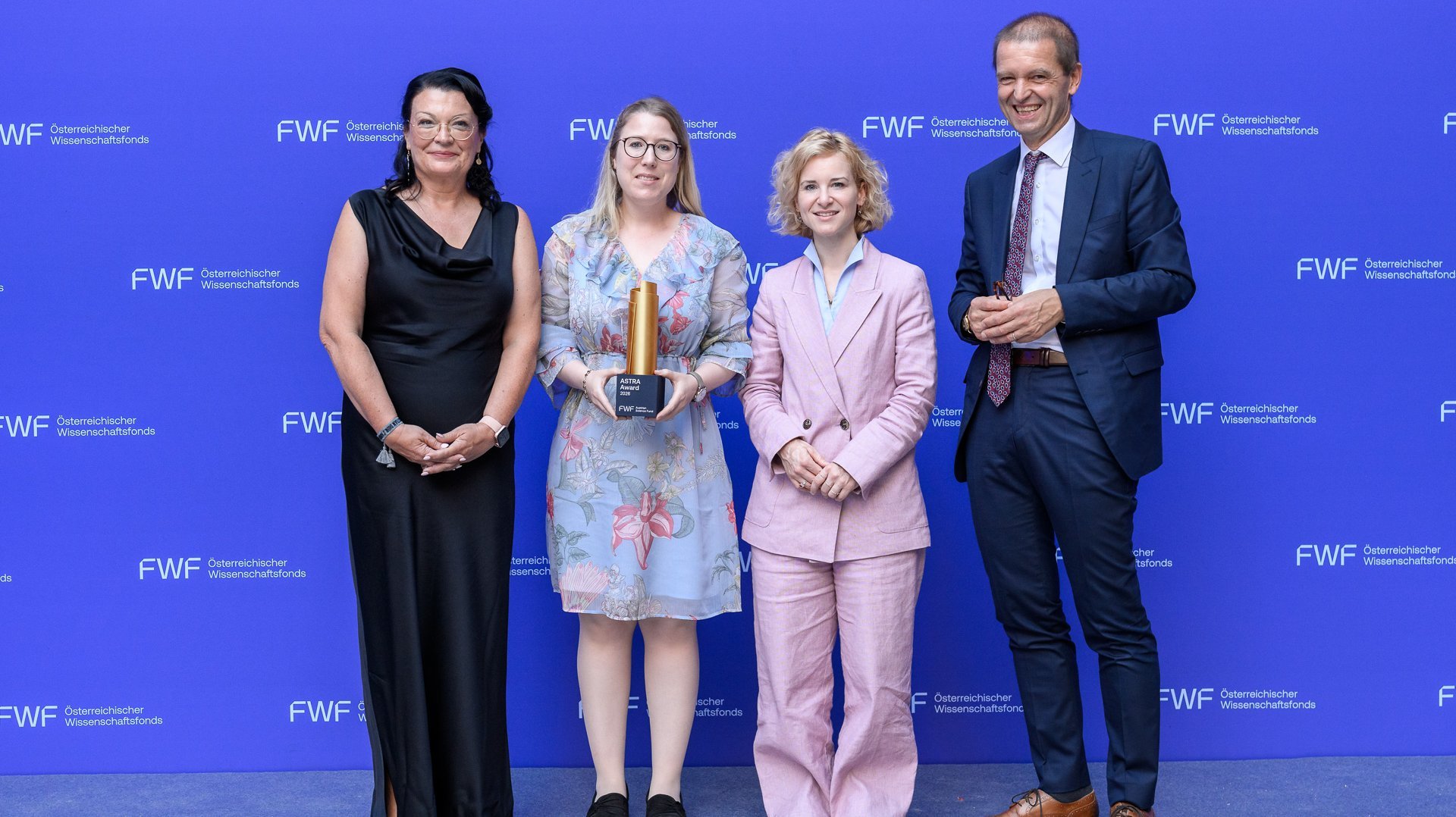
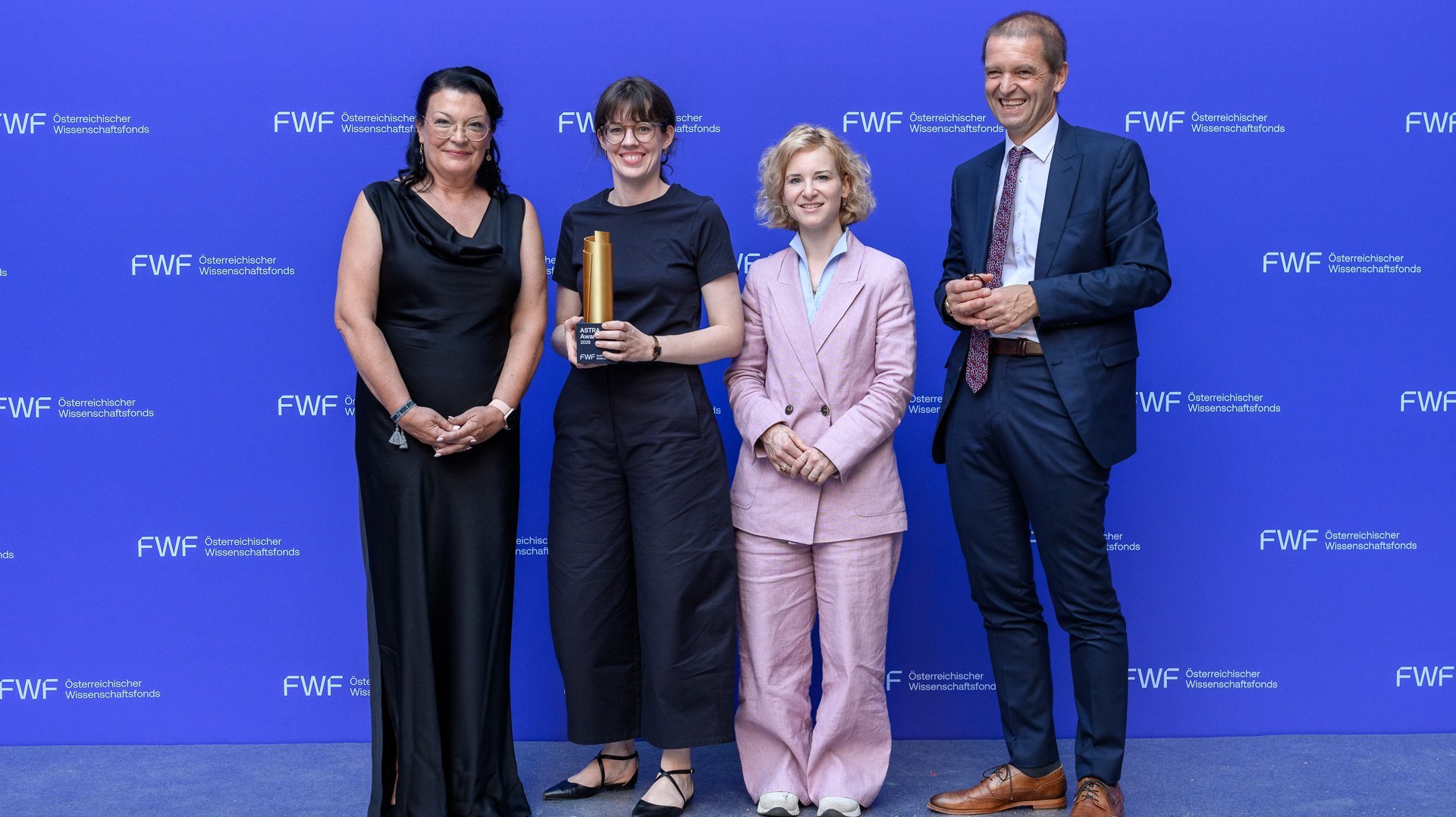
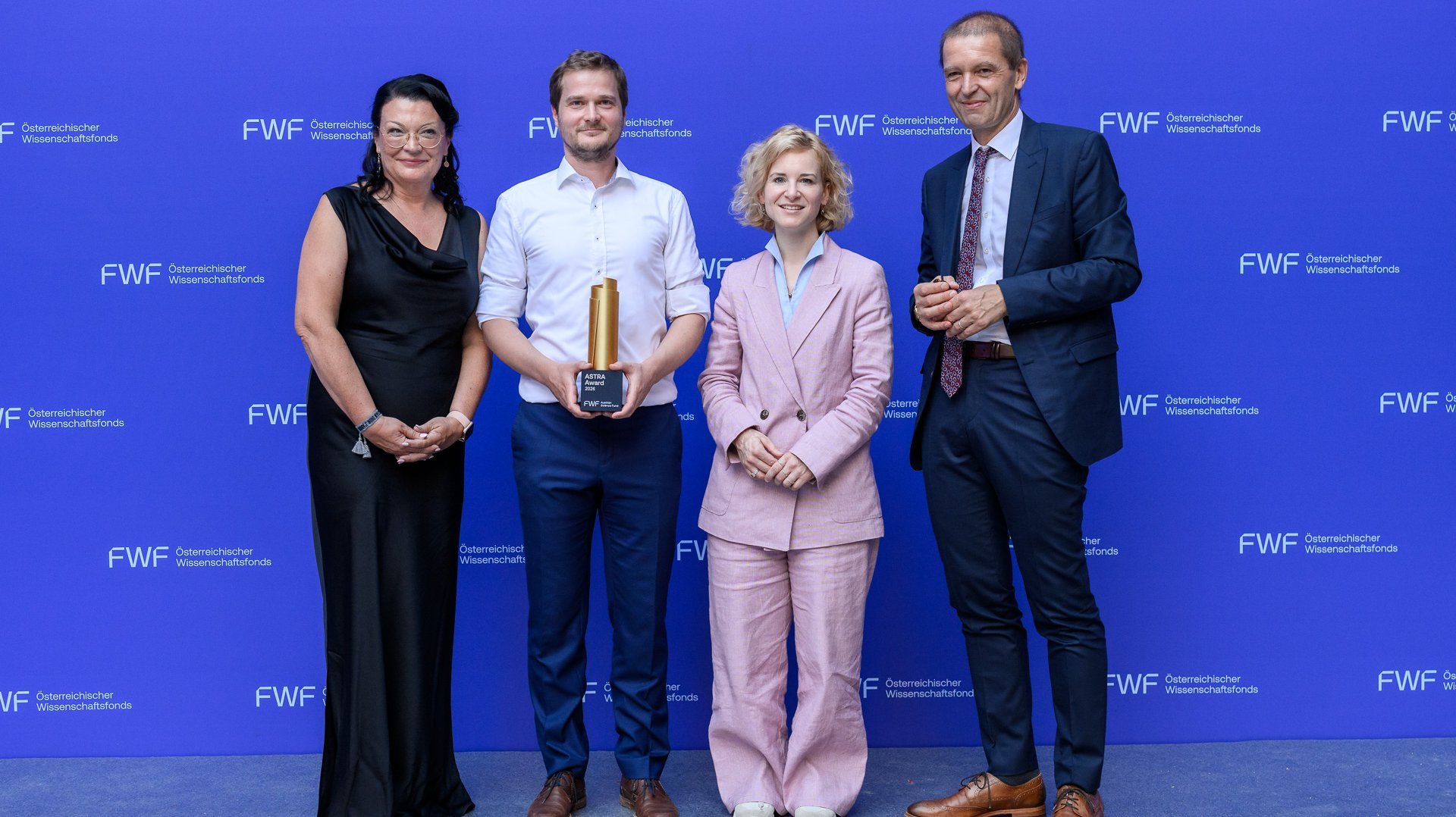
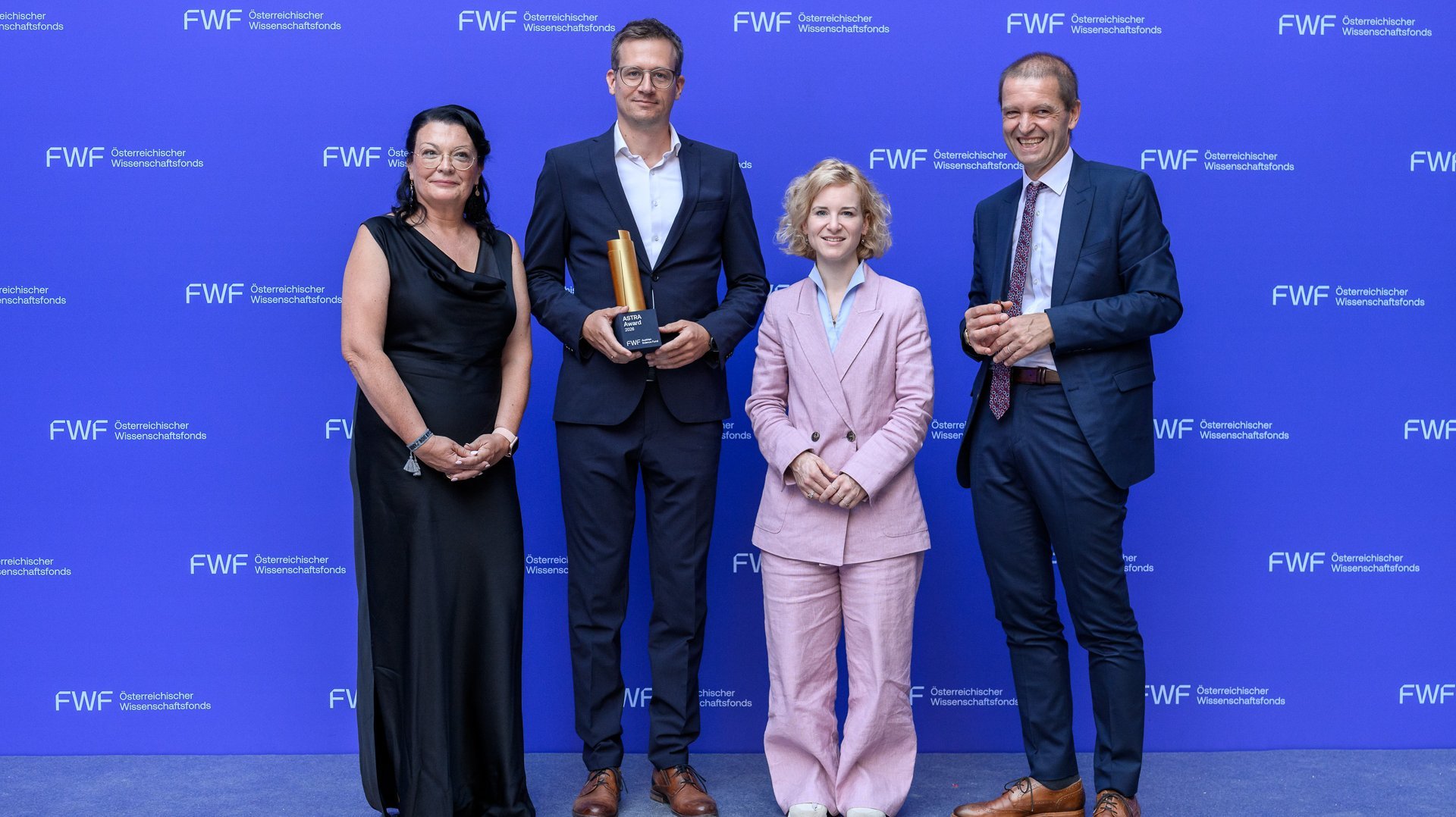
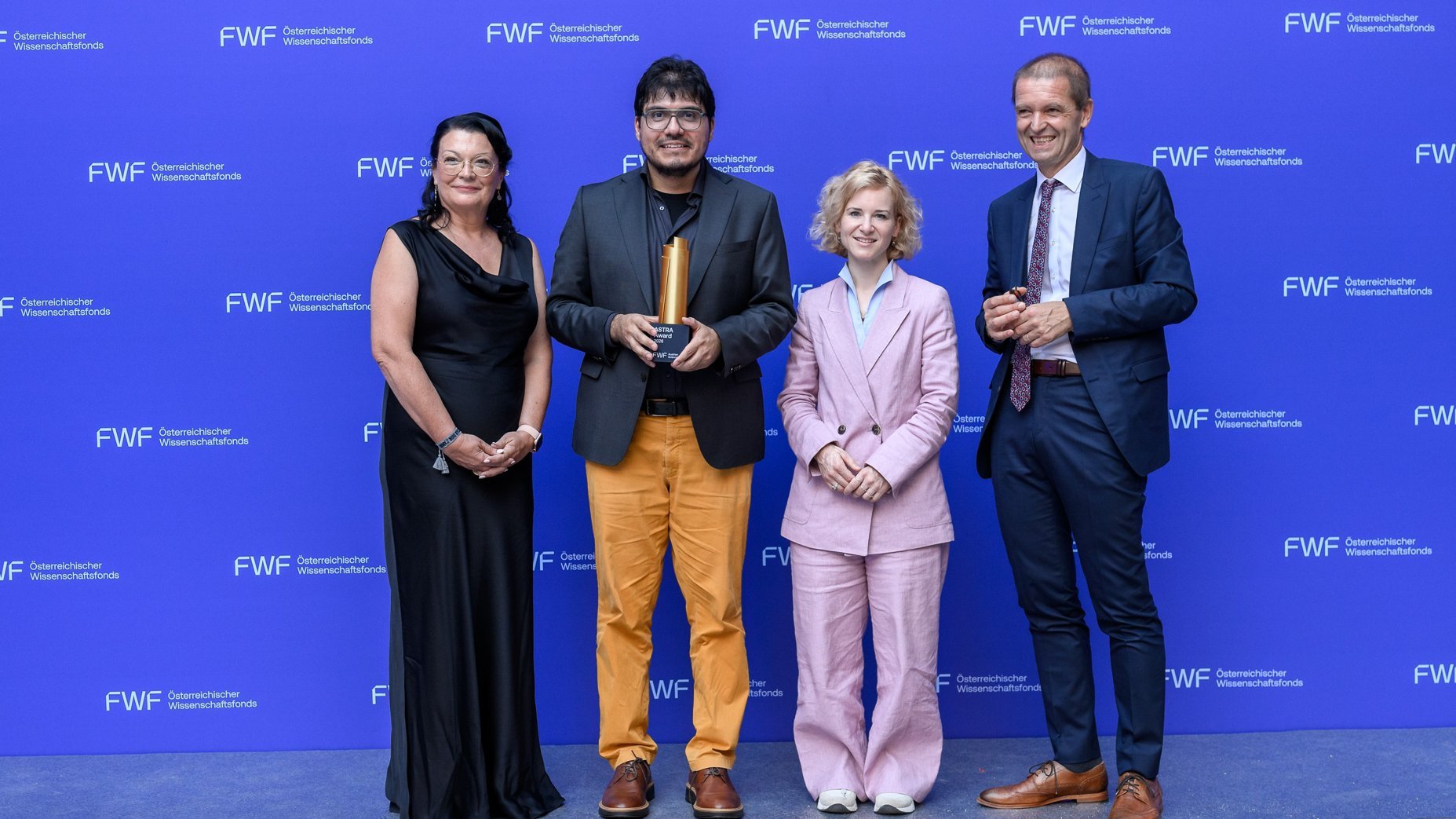
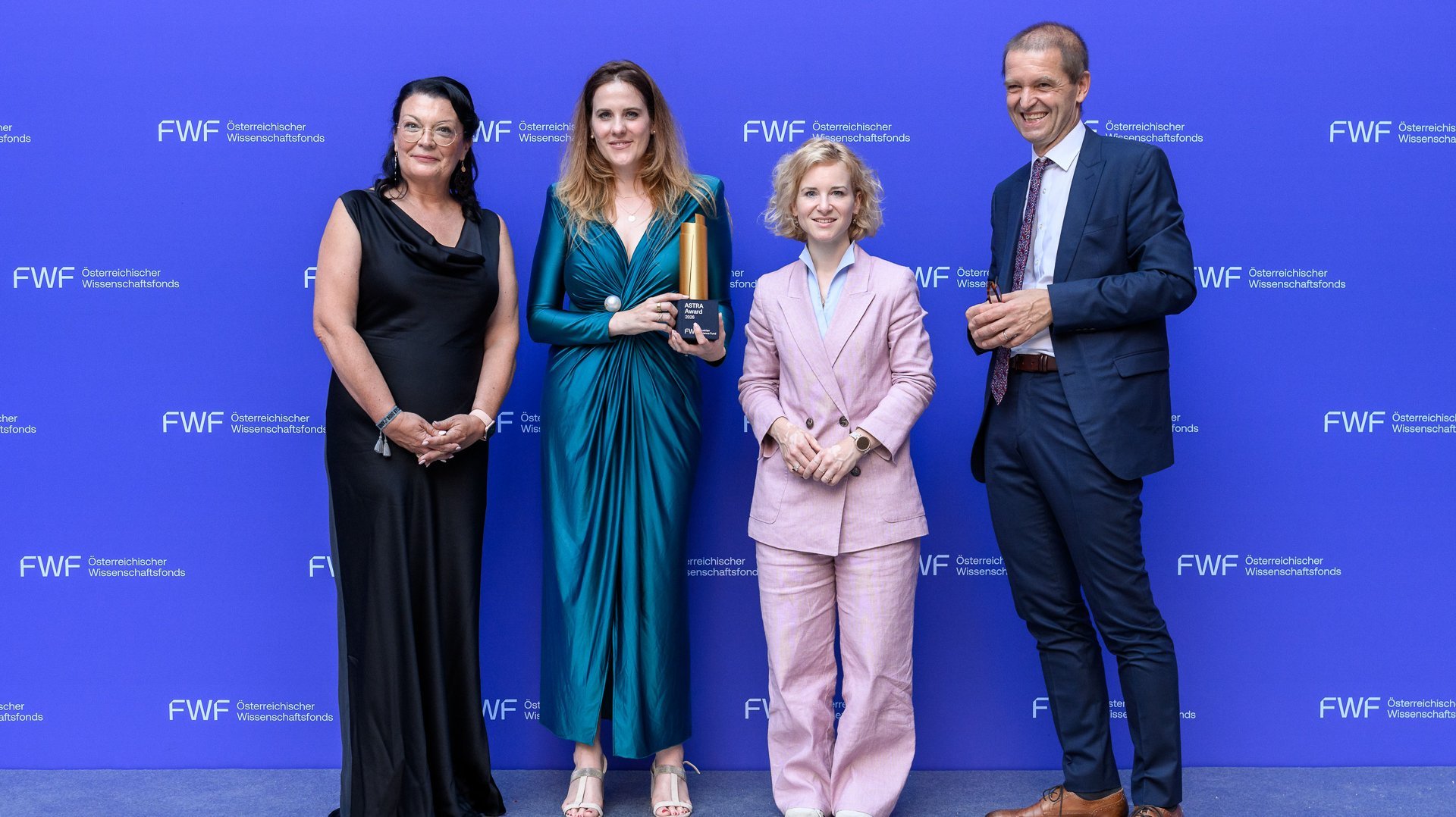
18 FWF ASTRA Award winners on stage
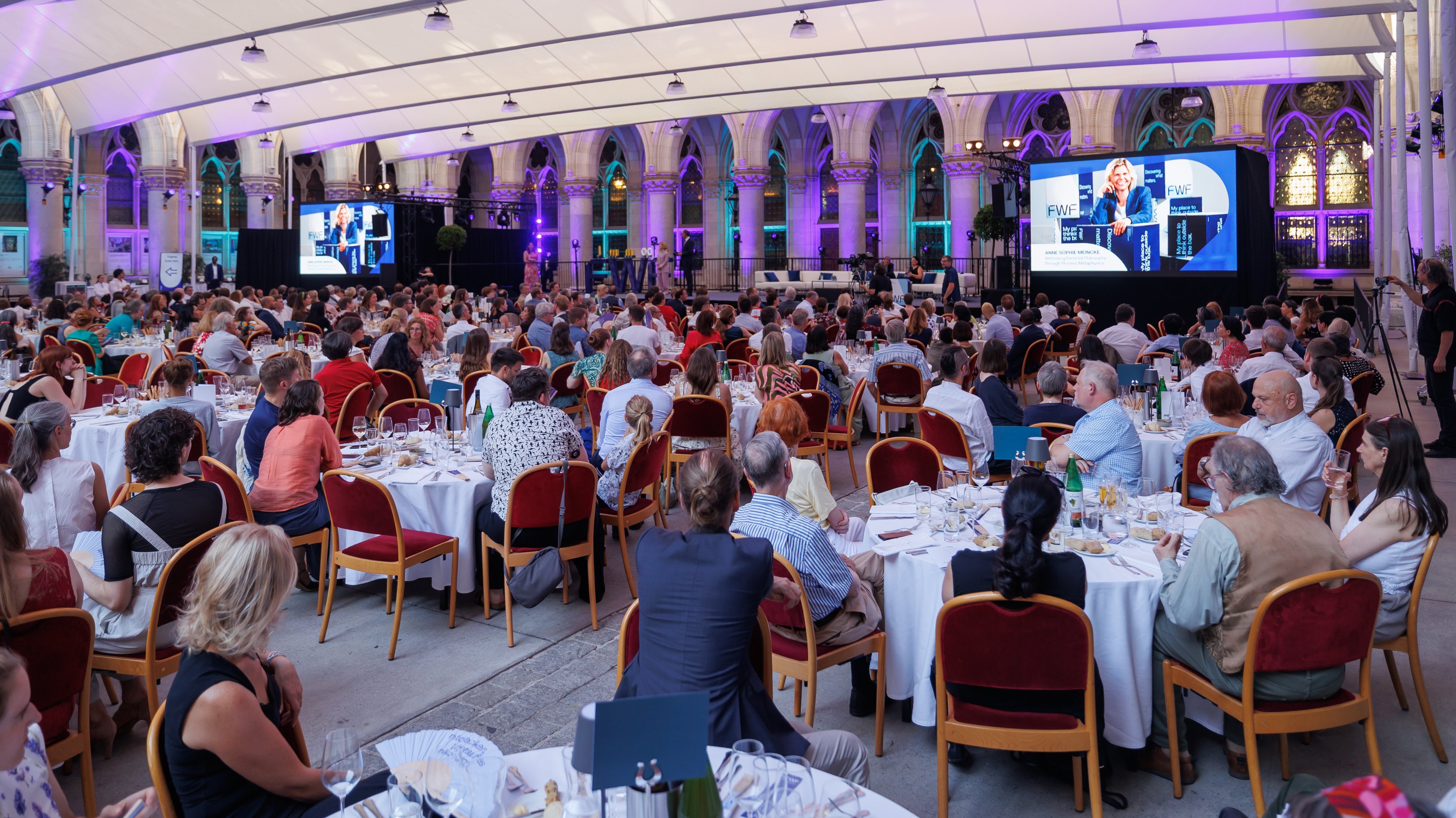
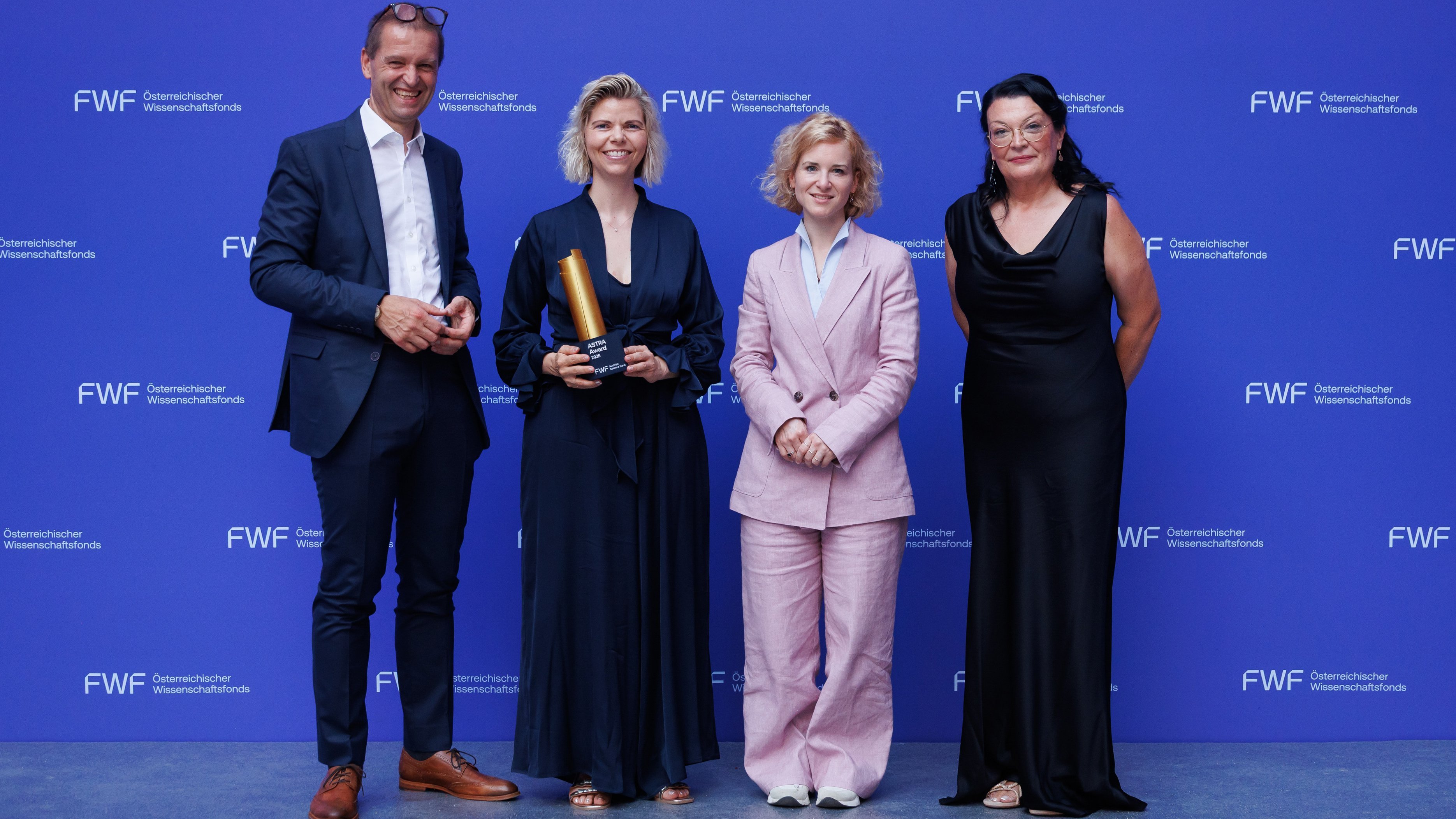
The award ceremony opened with the FWF ASTRA Awards. Eighteen researchers from all over Austria were in attendance to accept their awards, each worth €1million. This prestigious career development grant will allow the recipients to advance their independent research at Austrian universities and non-university research institutions. Their projects showcase the full range of excellent research – from biology and medicine to the humanities and social sciences, as well as the natural sciences and technology. Read more about the FWF ASTRA Awards here.
On curiosity and the willingness to take risks
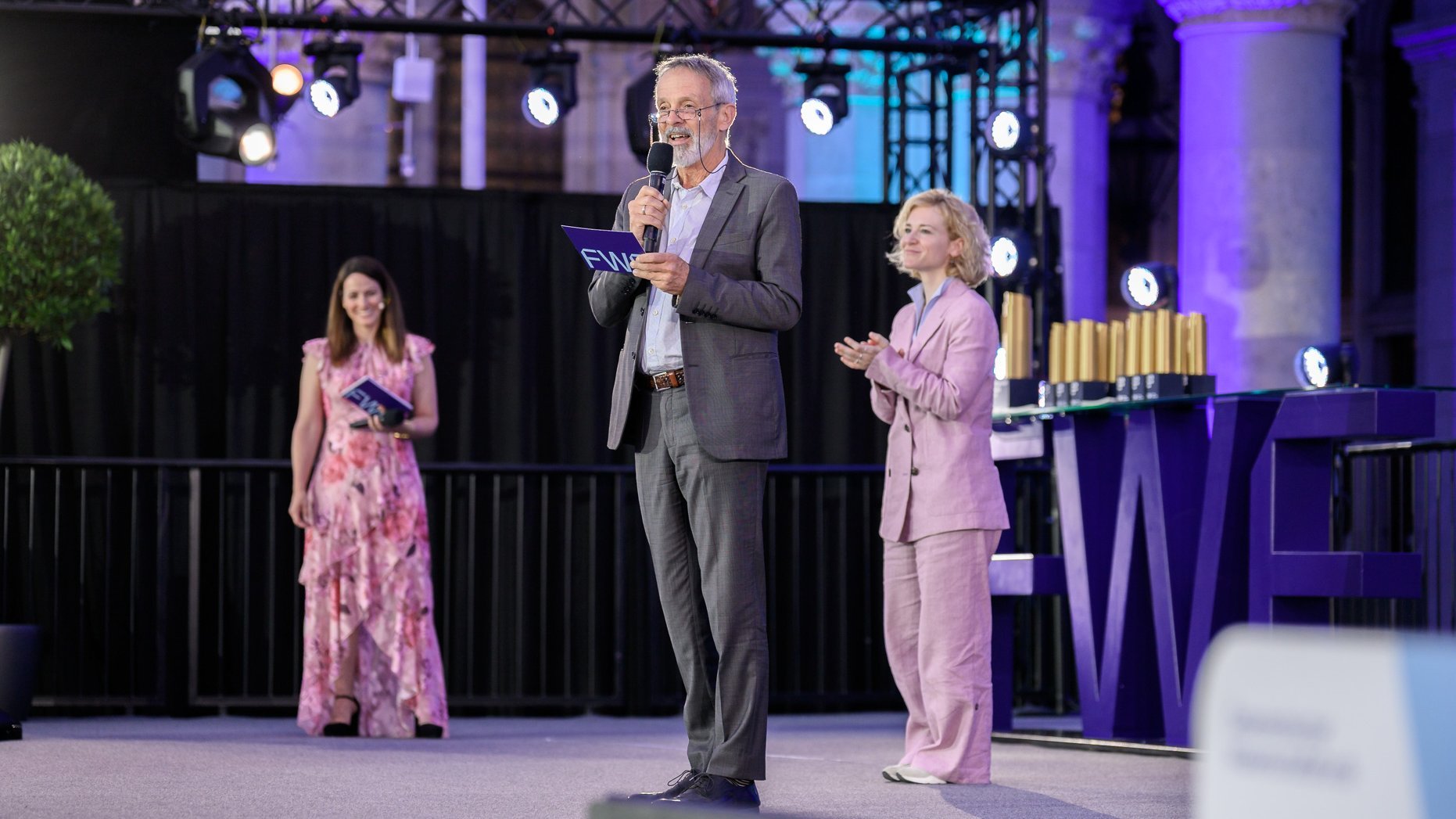
Representing the wide diversity of Austria’s cutting-edge research, Byzantine scholar Claudia Rapp of the Austrian Academy of Sciences and astronomer Franz Kerschbaum of the University of Vienna provided insights into their scientific work. They talked about how new insights emerge, the importance of curiosity, perseverance, and openness to new perspectives, and what it takes to conduct innovative and creative research over the course of decades. Their diverse fields of research made it clear that scientific breakthroughs are most likely to happen where bold questions meet long-term academic freedom.
Awards for a sustainable future
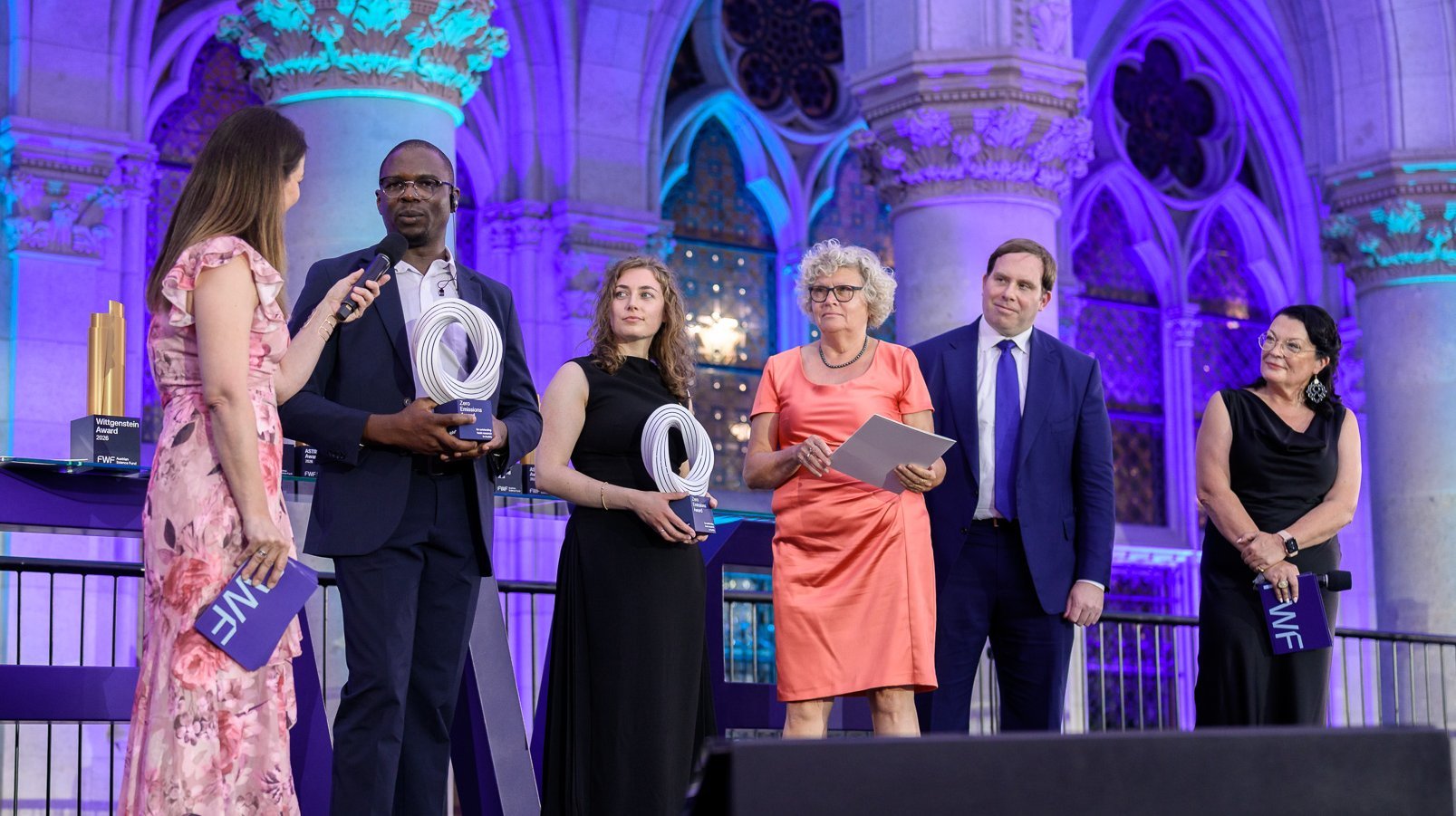
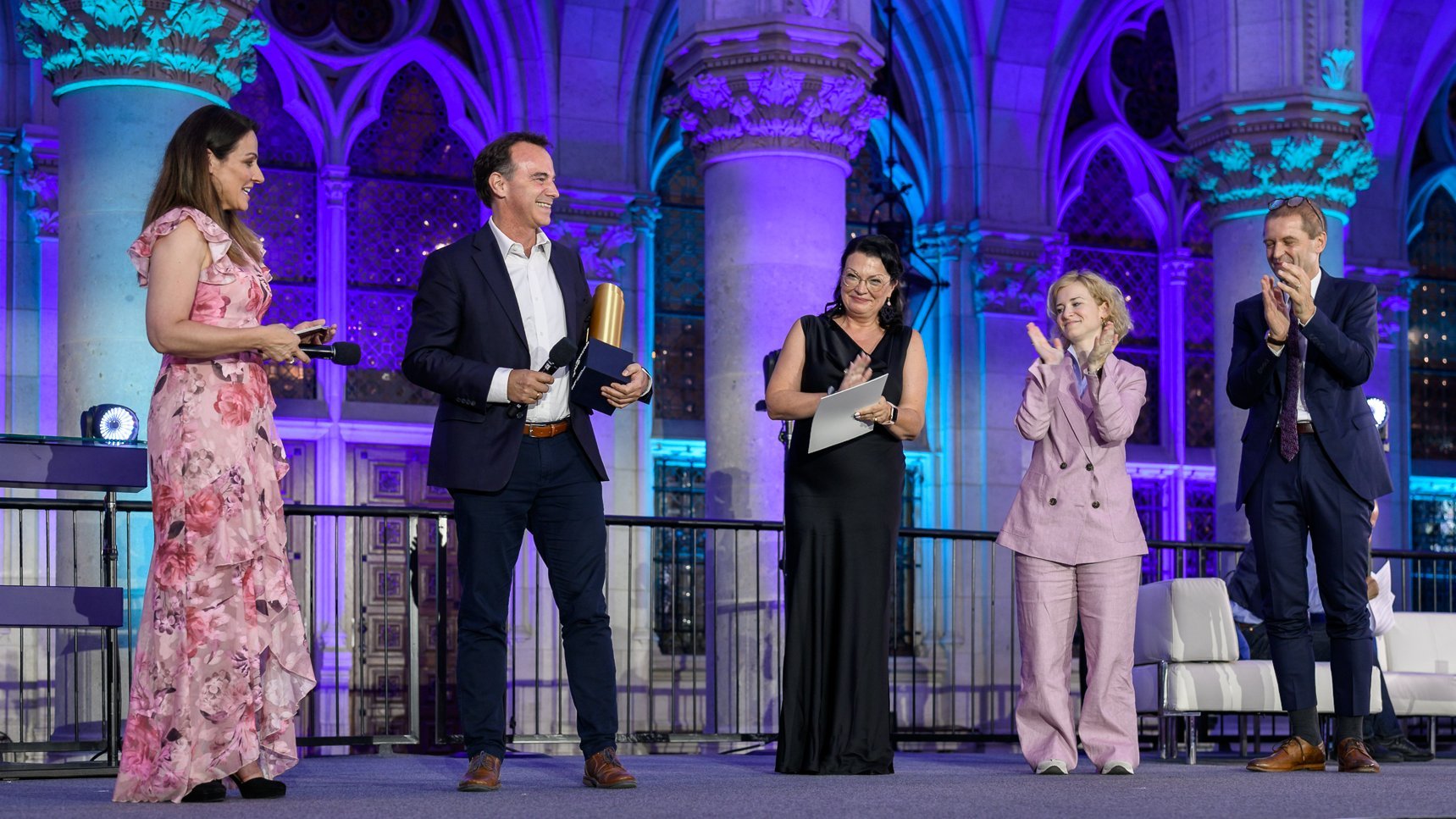
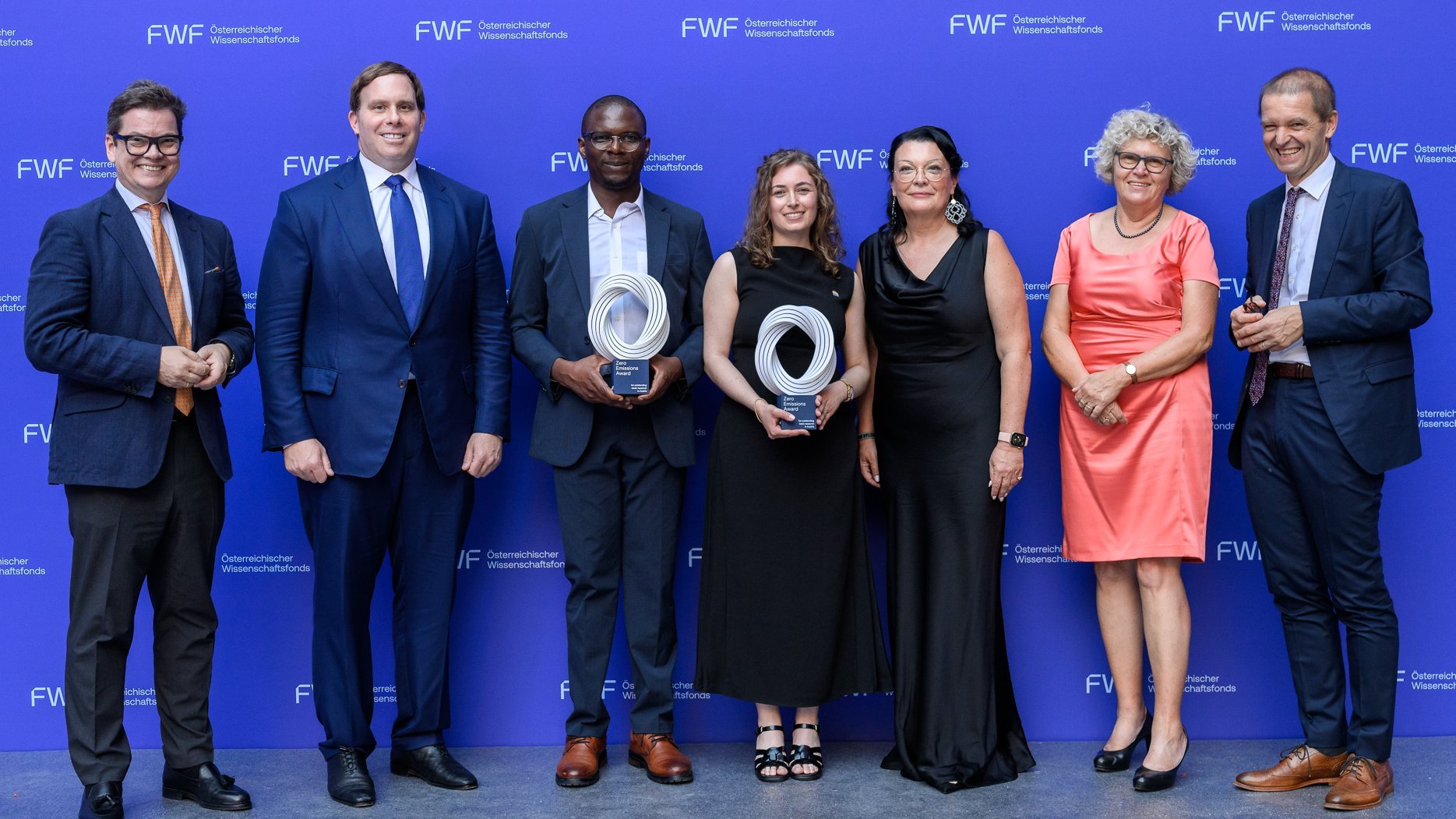
Another highlight of the program was the presentation of the Zero Emissions Awards, the privately funded research grants presented by the FWF’s alpha+ Foundation. The awards went to Lavinia Saltarelli of the Institute of Science and Technology Austria (ISTA) and Emmanuel Oluwasogo of Carinthia University of Applied Sciences for their promising research projects in the field of climate protection. The awards were presented by alpha+ Chair Sabine Seidler together with the donor of the prize money, U.S. entrepreneur Patrick Dumont. The award-winning projects demonstrate how basic research can help generate new knowledge for the energy transition. Read more about the Zero Emissions Awards here. [„Zero Emissions Awards“ zur News verlinken]
Science, society, and politics
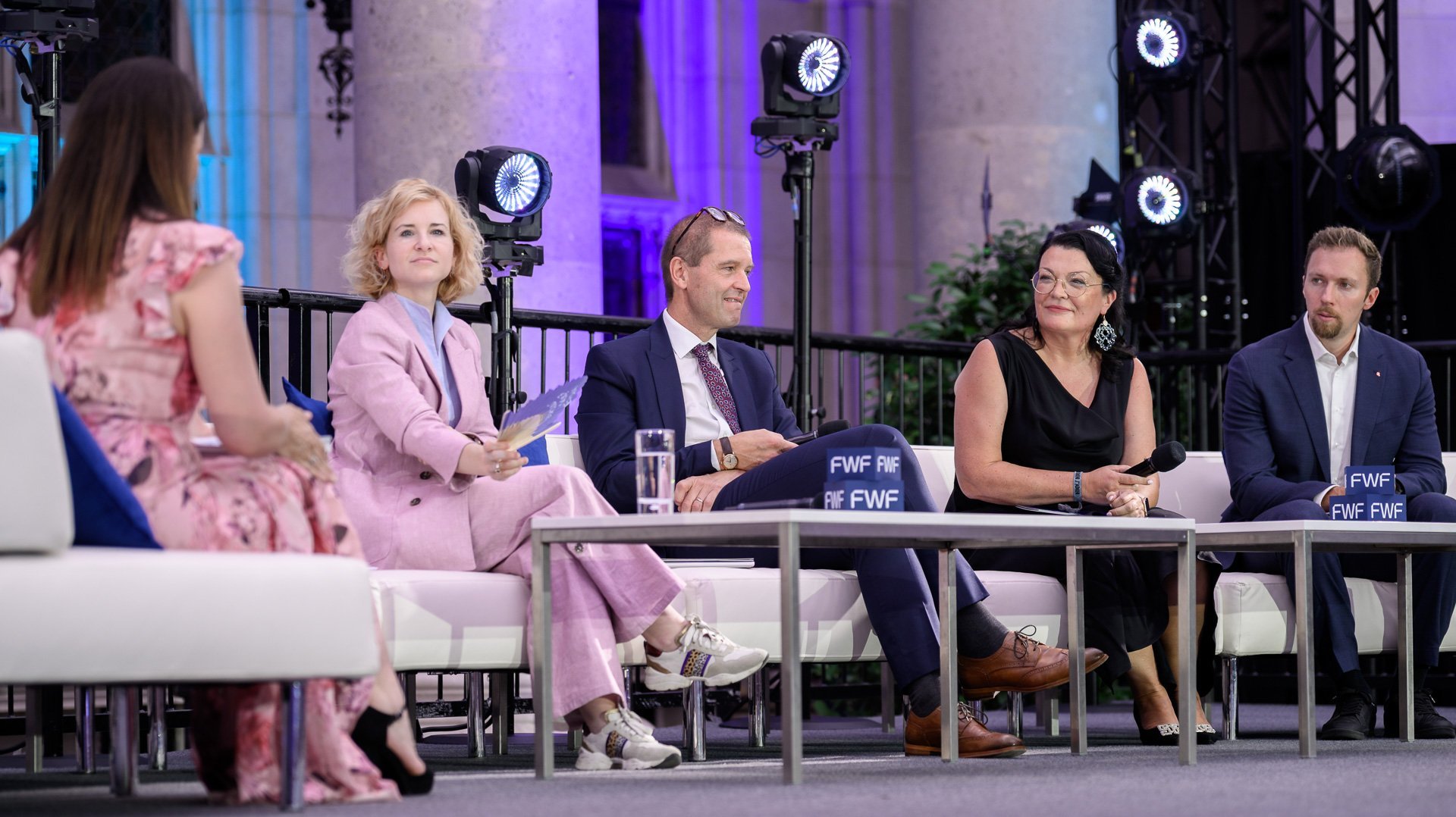
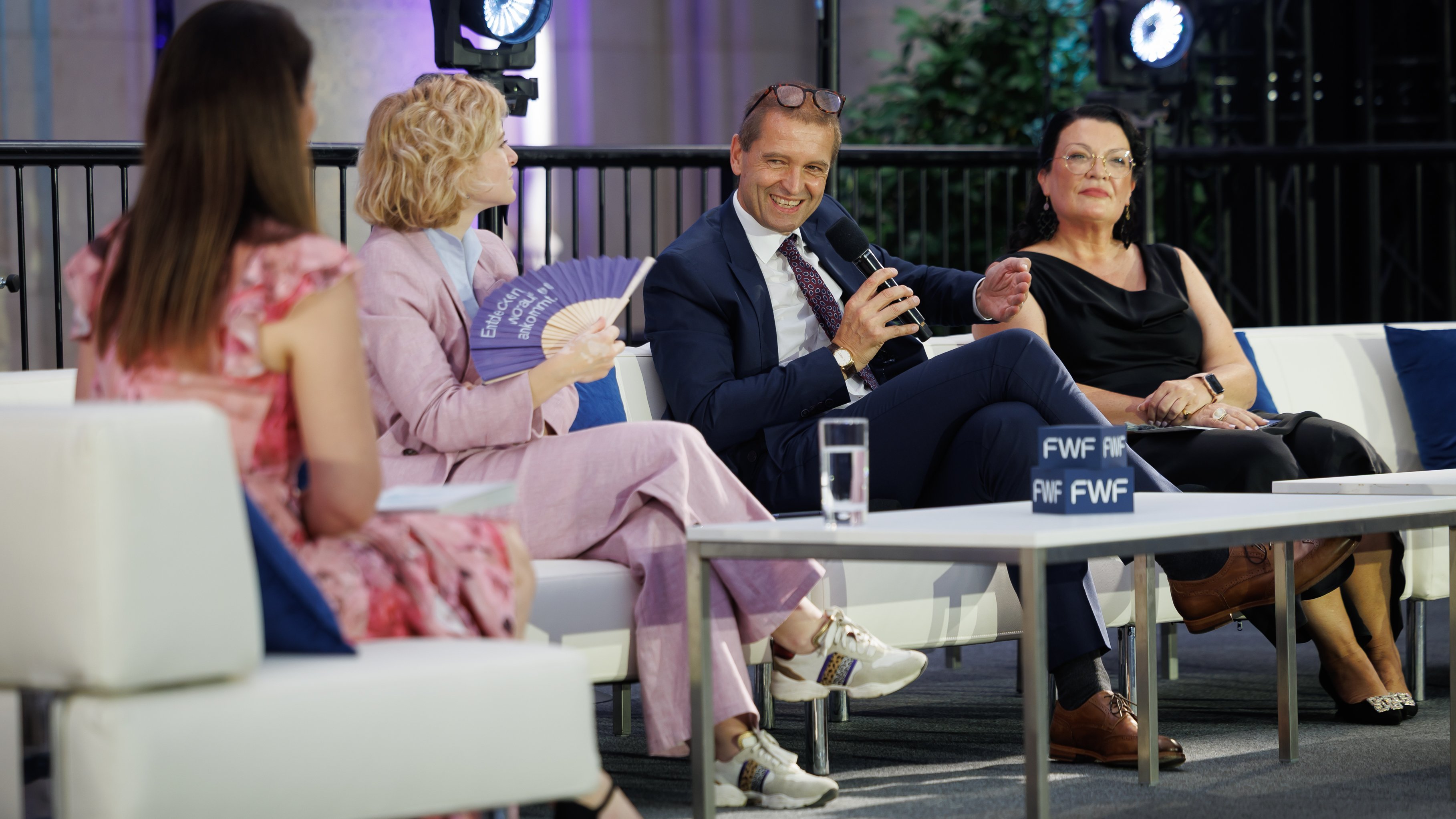
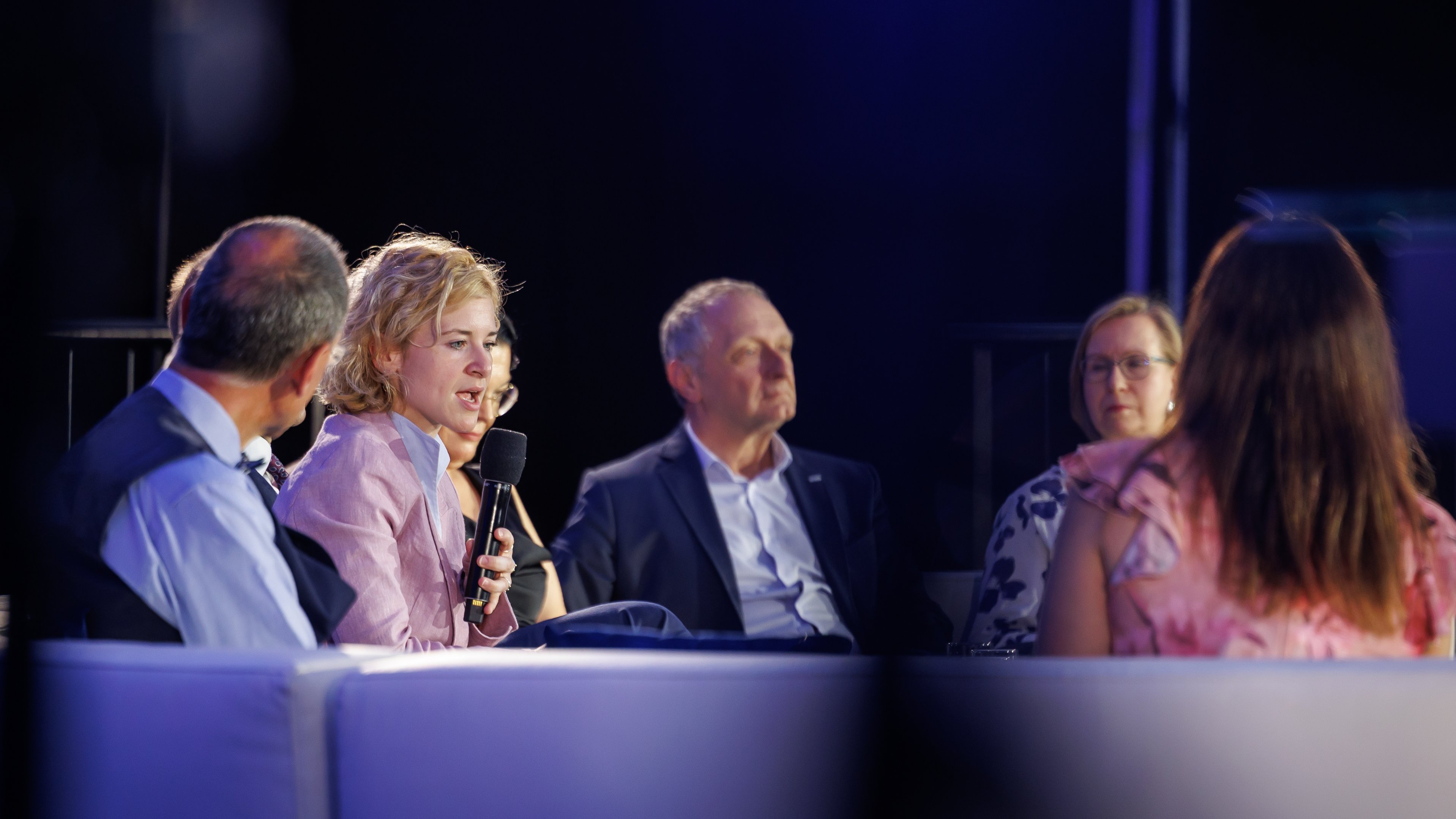
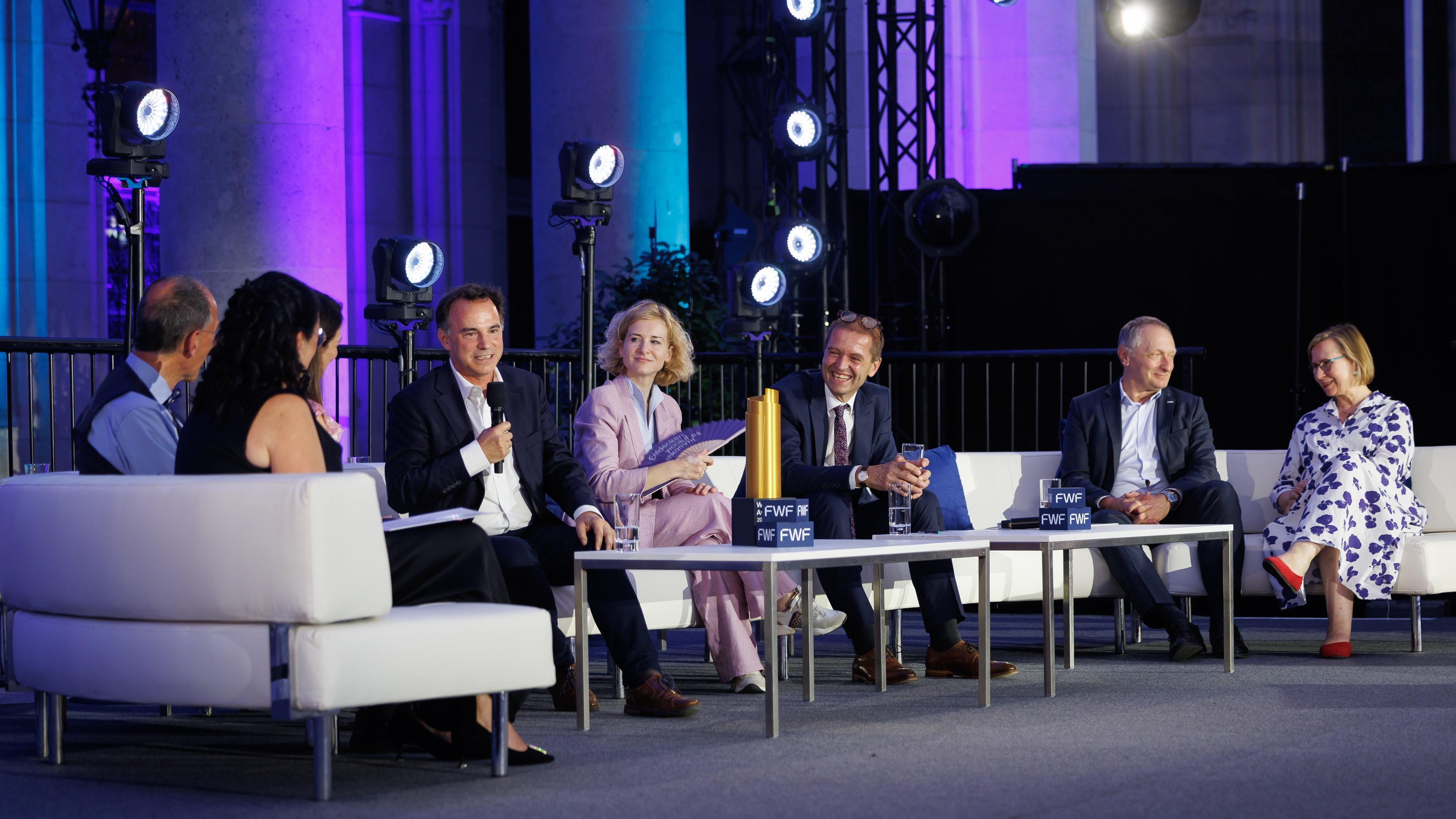
Political scientist Peter Filzmaier then took the stage for a panel discussion on the relationships between academia, politics, and society. The conversation focused on how scientific findings can be incorporated into political decision-making processes without losing their complexity or being co-opted by political interests. The discussion also focused on the different rationales underlying science and politics, as well as on the question of how scientific findings can be effectively communicated.